Executive Summary | Bold Flavors and Repeated Purchases
Bold flavors generate attention. Repeat purchases generate growth.
Food manufactures developing products with bold flavor experiences face a challenge beyond earning the first purchase: creating products that consumers choose to buy again and again. Building that repeat behavior requires more than novelty. It means developing flavor experiences that can support customer satisfaction, repeat purchases, and long-term loyalty.
Griffith Foods’ Maximalist Flavors research highlights an important gap between trial and habitual repeat purchases: while 61% of consumers are eager to try new foods, only 34% do so regularly.
This distinction presents an opportunity for manufacturers to gain an advantage by capturing the curiosity that drives the first purchase. Delivering a flavor experience consumers want to revisit does not replace customer satisfaction, customer loyalty, and long-term growth.
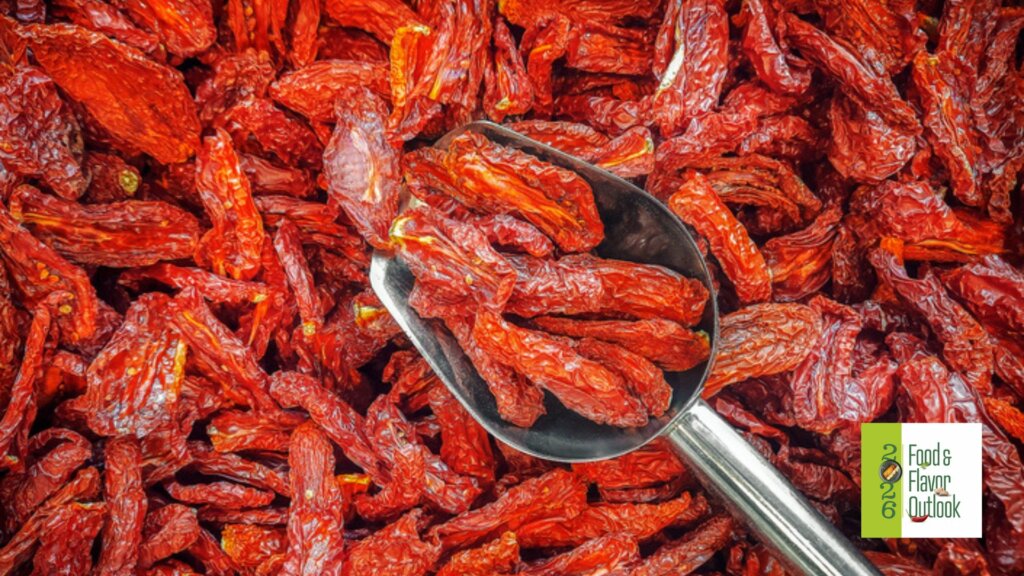
Bold flavors can earn the first purchase; layered flavor experiences earn the rest.
As food manufacturers race to capitalize on maximalist flavor trends, the real challenge that many businesses face isn’t getting consumers to try something new—it’s creating products and experiences they buy again.
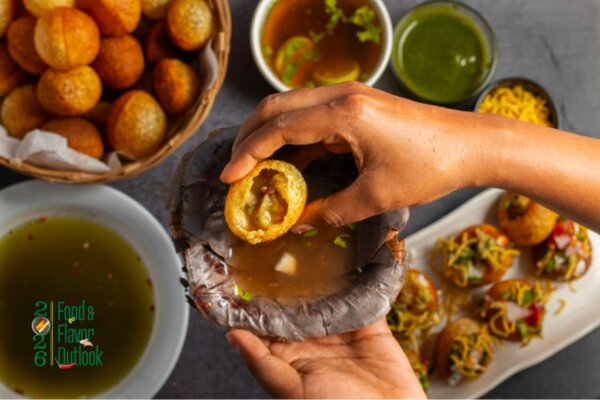
Attracting customers to try something new is only the first step. Bold flavors attract attention by combining sweet, sour, spicy, smoky, and umami notes into experiences that feel exciting and unexpected.
Consumers are naturally drawn to new experiences and lasting impressions. Novelty sparks curiosity, encourages exploration, and motivates the first purchase. Novelty is what makes a bold flavor stand out on the shelf and gives shoppers a reason to try something different.
Craveability, however, determines whether consumers come back. It reflects the combination of taste, aroma, texture, and balance that makes a product satisfying enough to purchase again. Rather than relying on a single dominant flavor, craveable products create a layered sensory experience that remains enjoyable beyond the first bite.
61% of consumers say they are eager to try new foods; only 34% do so regularly, according to Griffith Foods’ Maximalist Flavors Research
Curiosity alone does not build lasting purchasing habits. Novelty may earn the first purchase, but only a satisfying, well-balanced flavor experience earns the next.
Novelty Creates Trial. Craveability Creates Repeat Sales
For food manufacturers, repeat sales determine whether a bold flavor trend becomes sustainable growth. Retaining existing customers is more cost effective and profitable than constantly acquiring new customers. A product that generates initial curiosity but fails to earn the next purchase increases launch and marketing costs without building long-term revenue.
See if your bold flavors are creating lasting loyalty, increasing customer lifetime value, and supporting sustainable revenue growth by measuring how effectively a company keeps customers engaged over time:
- repeat purchase rate,
- the percentage of customers who purchase more than once, and
- customer retention rate
What Makes Buyers Come Back to Some Bold Flavors but Not Others?
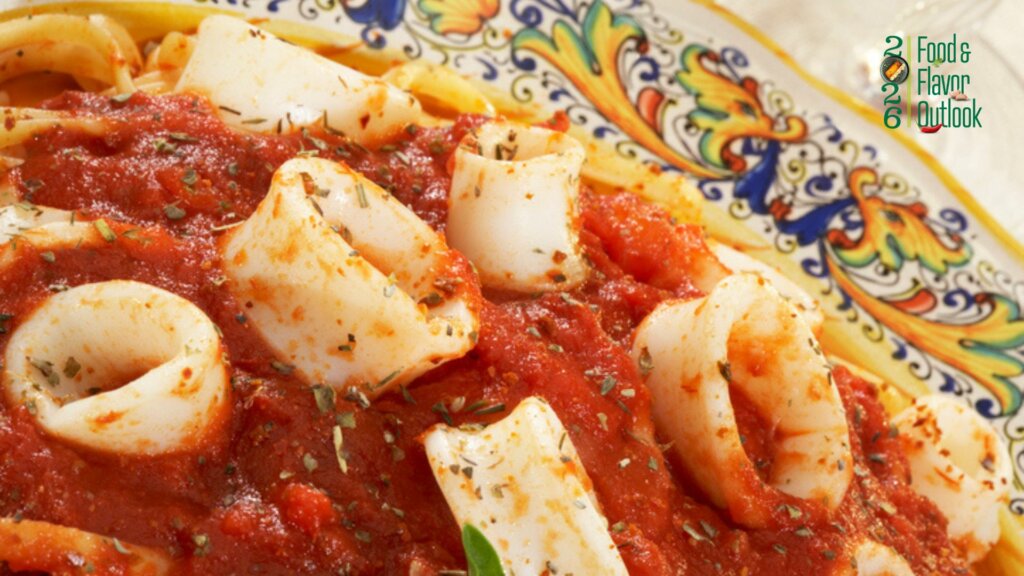
A single bold flavor can capture attention. Layering complementary flavors creates an experience households remember— and want to experience again.
Maximalist flavor innovation operates on a similar principle. Rather than relying on a single dominant taste, it layers contrasting elements into a more complete experience.
Balance contrasting flavor experiences for optimal boldness, start exploring with:
- Sweet meets heat
- Tangy meets umami
- Acidity balanced by richness
The goal is not to sell intensity for its own sake, but to deliver a composed experience customers want to repeat.
Flavor Concepts in Action
The trend is visible across markets in:

Mango-habanero popcorn
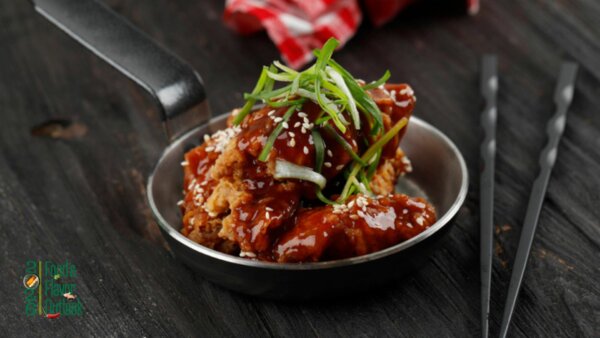
Korean BBQ nuggets
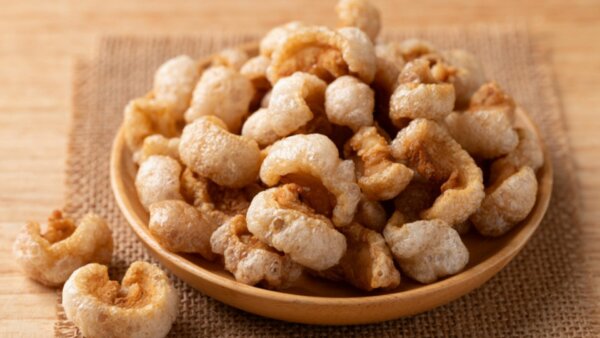
Thai curry-inspired snacks
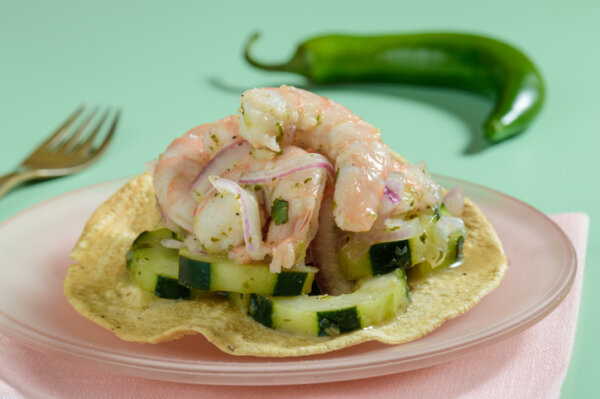
Other concepts
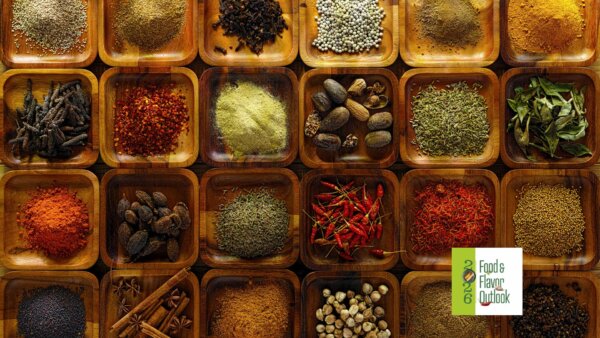
Strong seasonings, spices, herbs, acids, or fermented ingredients create bold flavors contract novelty with credibility. A globally inspired concept or unexpected pairing may earn the first bite, but the interaction of complementary taste determines whether it feels enjoyable enough to revisit.
What makes these products memorable is not simply that they are bold. It is that they are layered. A flavor that unfolds offers consumers more to discover and a reason to come back for another.
Same Brand, Familiar Formats with Bold Ideas
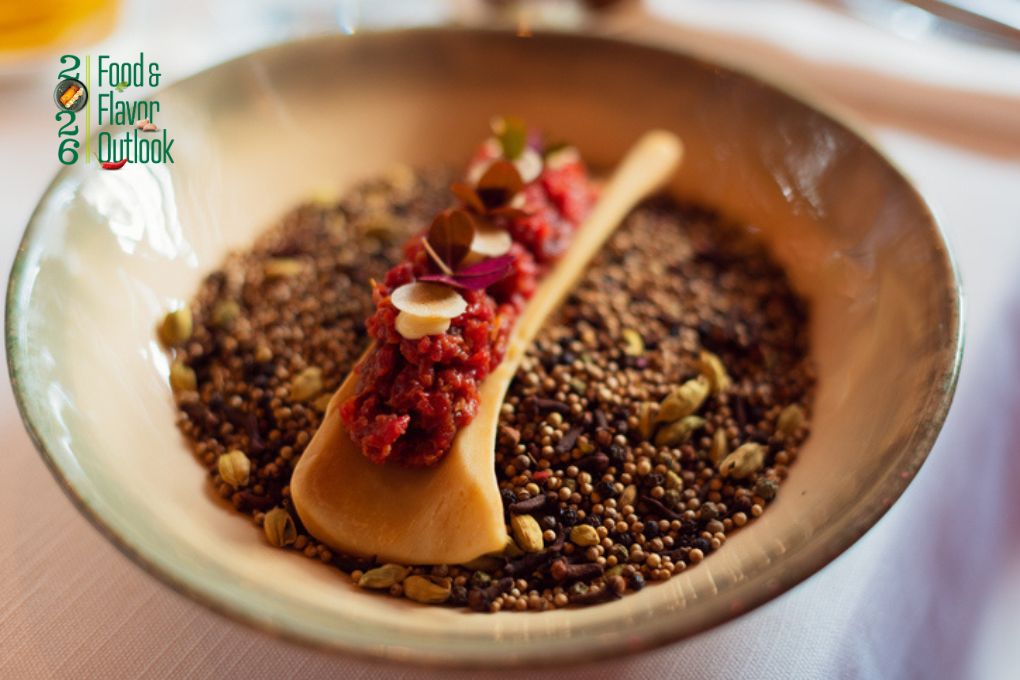
Familiar product formats reduce the perceived risk of trying unfamiliar flavor combinations.
Introducing consumers to a new flavor is one challenge.
That’s why some of the most successful flavor exploration happens in familiar formats. Griffith Foods research notes that consumers are often more willing to try unfamiliar flavor combinations when they appear in products such as sauces, dips, dressings, snacks, and spreads.
The lesson is practical. For example, a shopper may be more willing to try a new flavor profile when it comes in a sauce or dip, they already know how to use. That familiarity also makes repeat purchase easier, because they can come back to the same product in a format they already understand.
Innovation suddenly feels less like a risk and more like an invitation.
A Practical Framework to Drive Repeated Customers
Imagine a product development meeting.
A new flavor concept is on the table. The ingredients are interesting. The trend data looks promising. The excitement is real.
Now comes the more useful question: Will people want it again?
The research suggests four practical considerations:
- Does the product combine multiple flavor dimensions?
- Is it delivered through a format consumers already understand?
- Does it balance contrasting flavors rather than overwhelm with one?
- Can it fit naturally into everyday eating occasions?
The framework becomes more helpful when brands back the product with the right services in the store or online.
None of these questions diminish creativity, but they simply help ensure that creativity has staying power.
How Do Loyalty Programs Encourage Repeat Purchases?
The right pricing and perks can encourage customers to make another purchase while keeping customers engaged. Discounts can effectively incentivize first-time buyers to return, and paid loyalty program members spend more after joining. Because retaining customer is often more cost effective than repeatedly acquiring new ones.
These tools also support marketing by helping retain existing buyers and convert potential customers more efficiently, saving money over time.
Brands can support the transition from novelty to habit by:
- Designing loyalty programs that include discounts and gamified points systems
- Using limited-edition rewards and early access to new products when incentivizing customers
- Offering cash-back rewards for repeated purchases, since consumers prefer cash back rewards over points
- Offering exclusive product drops as loyalty benefits
- Segment loyalty tiers by repeat customer frequency
One Trend, Many Consumers
Flavor exploration is remarkably consistent. The reasons behind it are not.
Bold flavors can win attention, but balanced intensity, layered taste, familiar formats, everyday relevance, customer feedback, and thoughtful customer-retention strategies are what help a product earn repeat eating experiences.
Maximalist flavors are not successful because they’re louder.
They’re successful because they create depth. Consumers may try a product for its novelty, but they return when flavors feel balanced, memorable, and easy to incorporate into everyday meals. For food manufacturers, lasting growth comes from designing products that transform curiosity into routine purchasing.
Let’s Create Better Together
We’re here to help inspire creations that keep your product portfolio on-trend. Contact your Griffith Foods representative or reach out to our sales team to learn more about our ongoing research and innovative offerings.