EXECUTIVE SUMMARY | Where Familiarity Meets Better Nutrition
This content explores how nutrient dense foods can be made more approachable through familiar and comforting eating experiences. 53% of U.S. restaurant operators agree that healthier dishes are more likely to be chosen when they made more familiar and comforting. Preserve the eating experience consumers already know and enjoy through traditional ingredients, recognizable formats, and familiar flavors and textures to enhance the nutritional value for food manufacturers, product developers, and restaurant operators.

Creating a healthier food product is only part of the challenge. It also needs to feel like something consumers will want to order, try, and enjoy.
Familiarity can help make the connection. Research suggests 53% of U.S. restaurant operators agree that consumers would be more likely to choose healthier dishes if they were made more familiar and comforting.
For food brands this creates an opportunity to rethink how nutrition is delivered. Rather than asking consumers to embrace an entirely new food experience, product developers can explore familiar flavors, textures, and foundation to deliver nutrient dense foods effectively to the market.
Traditional meals can offer inspiration for this approach. Time-tested ingredients, established flavor combinations, and recognizable formats can help bring nutrition and tradition together while preserving the eating experience consumers value.
Why Healthy Eating Plan Does Not Always Lead to Actual Purchases
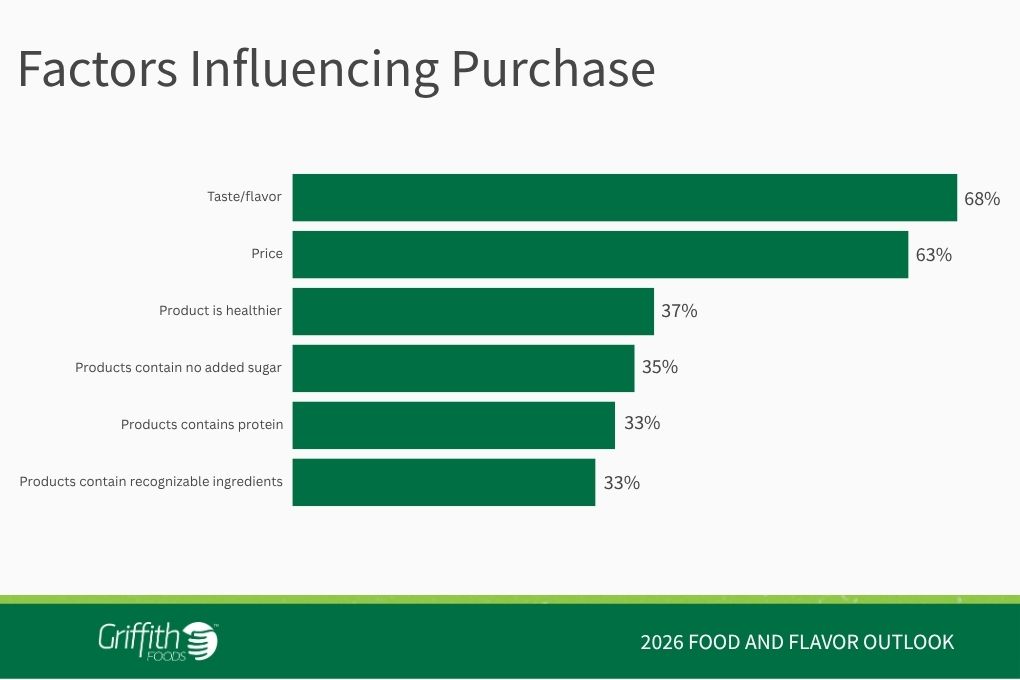
Consumers consider several factors when choosing what to eat:
- Taste/flavor
- Price
- Product is healthier
- Product contain no added sugar
- Product contains protein
- Products contain recognizable ingredients
Data shows that nutrition matters, but it comes second to taste/flavor and price. This is important because nutritional benefits alone may not be enough to turn healthy intentions into actual purchases.
The Challenge is Not Convincing Consumers that Overall Health Matters
The challenge is making healthy eating feel achievable without requiring them to abandon the foods they enjoy.
A product may offer protein, fiber, healthy fats, vital nutrients or essential nutrients and consumers may still hesitate if they do not recognize the ingredients, understand the format, or trust the eating experience.
This reveals a disconnect between intention and behavior:
- Consumers want to eat a healthy diet
- They will pay closer attention to ingredients and nutritional information
- They still prioritize taste and price at the point of purchase
- They feel more comfortable choosing foods that fit their existing eating habits
How Familiarity Makes Nutrient-Dense Foods Easier to Choose
Familiar ingredients, traditional dishes, and recognizable flavors reduce the uncertainty of trying something new, helping turn healthy intentions into purchases. Understanding what makes a food nutrient-dense is only part of the conversation. Consumers must also feel comfortable choosing it.
What Makes a Food Nutrient-Dense?
Within the Nutrition Meets Tradition trend, nutrient-dense foods are foods that provide a high amount of beneficial nutrients relative to their calories. They typically contain vitamins, minerals, fiber, or healthy fats without replying on added sugars, sodium, or saturated fat.
Fresh fruits and vegetables are common examples. They can provide fiber, potassium, beta carotene, antioxidants, and essential vitamins.
Other excellent source of nutrient-dense foods include:
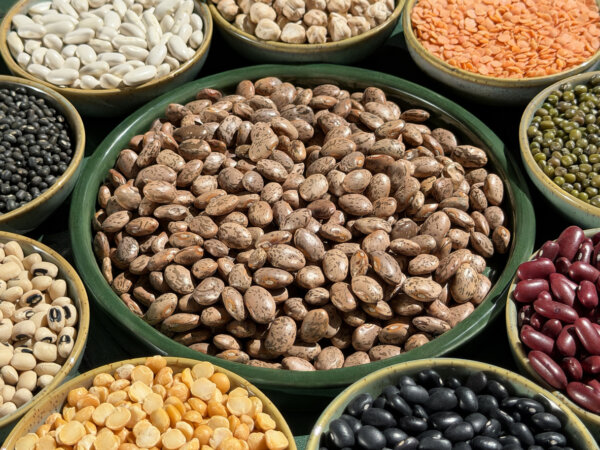
Legumes
Provide plant base protein, fiber, vitamins, and minerals

Brown Rice
Such as whole grains, fiber, B vitamins, and other important nutrients

Low Fat Dairy
Protein, calcium, and vitamin- D

Herbs & Spices
Beneficial plant compounds, antioxidants, vitamins, and minerals.
Modern Good Health and Nutrition Conversations Rooted in Some of its Oldest Ingredients
Nutritious foods contain fewer empty calories than typical foods. Low nutrient density foods provide high calories from added sugars or unhealthy fats with few vitamins or minerals.
The standard American diet is often described as energy rich but nutrient poor. Foods with low nutrient density are commonly called empty calorie foods. Consuming too many empty calories can increase the risk of chronic diseases, while the high fiber content in other nutrient foods supports heart health, healthy skin, and digestion.
Perhaps the lesson is simple. Sometimes innovation looks less like invention and more like remembering.

Familiarity: Reduced Risk of Trial
Even when consumers understand the benefits of nutrient density, an unfamiliar product may still feel risky.
They may wonder:
- Will the flavor be enjoyable?
- Will the texture feel different?
- Will the product satisfy the same craving?
- Does it fit into a familiar meal or eating occasion?
Familiar formats answer many of these questions before the first bite.
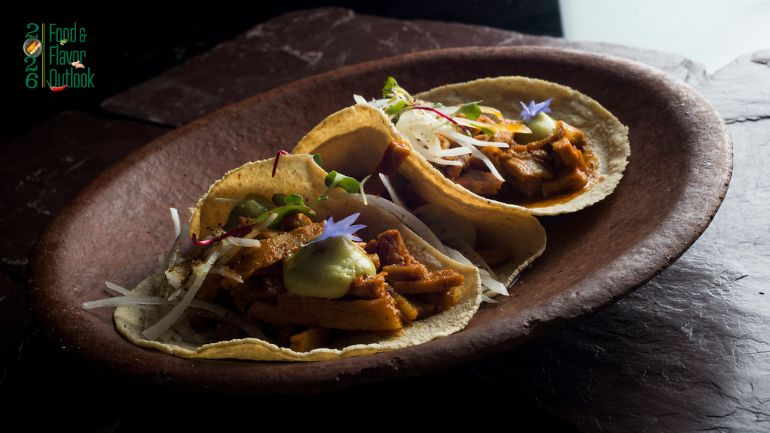
Consumers already understand burgers, bowls, tacos, soups, snacks. When brands introduce nutrient-dense ingredients through these formats, consumers can choose a healthy option without learning an entirely new eating plan.

Traditional Food Approaches To Healthy Eating
The search for good health often sends people looking forward. The answer frequently lies behind them and sometimes the newest opportunity on the menu has been there all along.
As interest in nutrient density grows globally, food companies have an opportunity to revisit proven ingredients through a modern lens. Not because tradition is trendy, but because many traditional ingredients naturally align with current consumer priorities around protein, fiber, vitamins, minerals, and ingredient transparency.
Nutrition Through Tradition: Lessons From Around the World
Traditional foods have endured because they offer more than a collection of nutrients. They feel recognizable, they carry cultural meaning, they remind consumers of favorite recipes, family meals, and familiar eating experiences.
Many traditional food systems were built around ingredients that delivered nutritional value long before terms like “functional food” entered the conversation. Beans, lentils, chickpeas, grains, vegetables, herbs, and spices appear across culinary traditions worldwide and remain central to the Nutrition Meets Tradition trend.
Across other regions of the world, traditional fare often combines grains and legumes with vegetables, meat, seafood (fish), cheese, herbs and spices. These combination create dishes that provide flavor, satisfaction, and nutritional varied diet.
These ingredients have endured for a reason. They offered practical value then, and they continue to do so now.
Smart Food Innovation
The food industry loves innovation. Consumers, however, do not always wake up hoping for an entirely new eating experience.
The strongest opportunities for expansion may come from improving popular foods rather than replacing them.
A burger remains a burger. A protein bowl remains a protein bowl. A breaded protein remains a breaded protein.
What changes is what is happening inside those formats.
Examples like:
- Incorporating lentils into a burger
- Integrating refined grains into protein coatings
- Paring legumes with animal or plant proteins
- Using brown rice or quinoa in traditional bowls
These improvements add nutritional value without asking consumers to change their routines. The food experience stays the same while the nutritional value improves.
For food developers, this may offer one of the most efficient forms of innovation. Convincing consumers to try a better version of something they already enjoy is often easier than asking them to embrace something completely unfamiliar.
Flavor, Texture & Tradition Drive Repeat Purchases
Familiar seasonings can help nutrient dense ingredients feel more approachable. Herbs and spices can also balance earthy or bitter notes grounded by legumes, grains, and vegetables. While the health benefit may encourage the first purchases, it’s flavor and texture influence whether consumers return.
Texture requires equal attention, like a reformulated burger still needs a satisfying bite. A snack must keep it’s crunch, a sauce needs the richness and body consumers expect.
Food developers should protect the characteristics that make the original food recognizable:
- Its defining flavor
- Its expected texture
- Its appearance and aroma
- Its traditional ingredients
- Its cultural meaning
- Its usual eating occasion
What This Means for Product Development?
Nutrition, taste, texture, price, familiarity, and tradition must work together with brand trust. Product teams can begin with reformulations in formats consumers already understand. Sensory testing can then reveal whether the product preserves its expected flavor, texture, and overall appeal.
When traditional dishes inspire the product, testing should include relevant, traditional groups. Their feedback can help brands understand whether an adaptation feels authentic or whether important qualities have been lost.
Griffith Foods can support this process by connecting consumer insights with culinary knowledge, nutrition priorities, and sensory expertise. This creates a practical path for improving nutrient density while protecting the experiences that drive consumer acceptance.
Let’s Create Better Together
We’re here to help inspire creations that keep your product portfolio on-trend. Contact your Griffith Foods representative or reach out to our sales team to learn more about our ongoing research and innovative offerings.