Executive Summary | Elevating Everyday Foods Through Gourmet Condiments
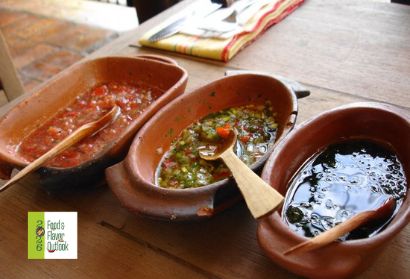
Gourmet condiments offer food manufacturers and foodservice operators a low-risk, high-reward way to elevate everyday foods through quality ingredients, culinary authenticity, signature seasonings, and sensory experiences.
With 92% of global consumers open to trying new sauces and condiments, manufacturers and operators have an opportunity to respond to growing interest in flavor discovery and meal personalization.
This article explores how ingredient quality, color, texture, and distinctive flavor combinations contribute to premium experiences while highlighting culinary applications and versatile sauces that can inspire product and menu innovation. It also demonstrates how crafted condiments can help brands differentiate familiar foods and deliver greater menu variety and perceived value.
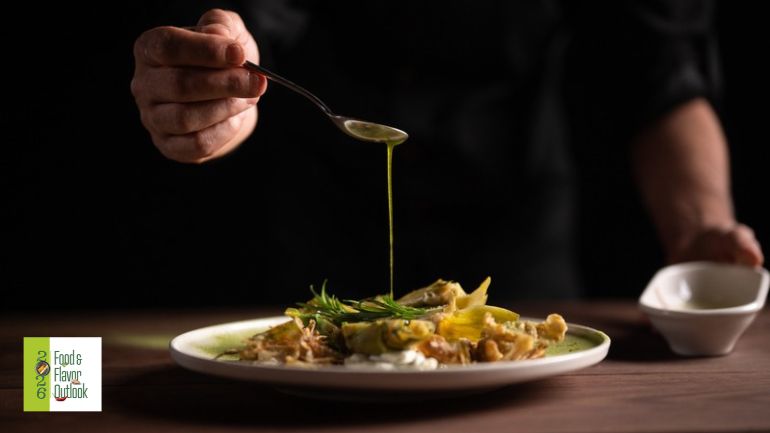
Gourmet condiments are specialty sauces, spreads, and toppings distinguished by quality ingredients, culinary authenticity, and distinctive flavor experiences.
They elevate familiar foods through thoughtful combinations of flavor, color, and texture, creating opportunities for food manufacturers and operators to differentiate products and menus. A signature condiment offers a way to create customizable food experiences across retail and foodservice applications. For culinary teams, restaurant operators, and food brands looking to expand their offerings, these additions bring variety to familiar foods while delivering greater perceived value.
Creating Premium Food Experiences Through Signature Condiments
That demand for meal personalization gives gourmet condiments a role in product and menu strategy. Griffith Foods’ survey of 20,000 consumers found that 92% globally are open to trying new sauces and condiments. As brands look to grow their offerings, they can respond to that curiosity with ingredient quality, culinary authenticity, and distinctive sensory details. Developing the right combination of seasonings, color, and texture can give everyday food a premium touch.
What Makes a Condiment Premium?
Premium condiments stand out through ingredient quality, culinary origin, authenticity, and sensory experiences. These attributes help manufacturers and culinary teams develop distinctive sauces that highlight familiar foods through intentional flavor combinations, appealing textures, and thoughtful presentation.
Examples of gourmet condiments include specialty mustards and fruit chutneys, which may be produced in small batches using specialty oils and vinegars. These ingredients can enhance salads, vegetables, and meats while introducing distinctive flavor profiles.
Younger consumers also influence condiment innovation. Gen Z and Millennials use condiments for flavor experimentation and social discovery, creating opportunities for brands to respond with new product concepts.
- 58% seek versatile sauces
- 43% love trying new flavors
Ingredient Quality, Origin and Authenticity
Ingredient selection helps establish a condiment’s identity. Consider which ingredients distinguish the sauce and what each contributes to the finished dish.
Tomato and pomegranate establish a different flavor direction from garlic and cilantro. Seasonings then build on that foundation, adding brightness, depth, or heat. Defining those attributes gives teams a clear purpose for each ingredient.
Culinary origins can also guide development: drawing from a particular cuisine or traditional preparation provides a reference for ingredient selection and flavor combinations. The goal is to connect those influences thoughtfully to the food the condiment accompanies.
Sensory Experiences that Set a Condiment Apart
A condiment’s sensory character brings the concept to life:
- Aroma: introduces an herb or seasoning
- Flavor: develops the combination
- Texture: shapes how the sauce works with the food
Start with the experience the dish needs. A rich food might benefit from a brighter accompaniment, while another application might call for smoke or heat.
Use that direction to guide development and evaluate the condiment alongside the complete dish.
How Do Color and Texture Shape the Experience?
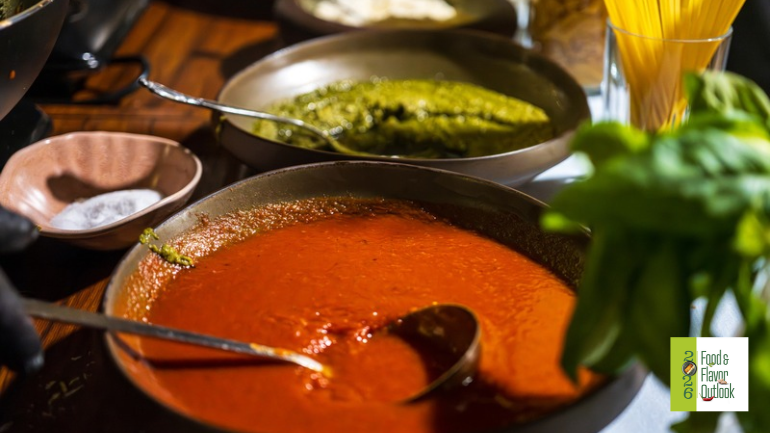
Color contributes to a dish’s visual appeal, while texture influences how a condiment feels and interacts with other ingredients. Together, these sensory elements can create contrast, enhance presentation, and give familiar foods a more distinctive identity.
Unique colors, seasonings, and textures are part of the appeal. Culinary teams can develop these elements together to give the finished food a more distinctive personality.
Color as Part of the Finished Dish’s Presentation
Consider where the condiment appears: A spread inside a sandwich, a dip alongside potatoes, or a drizzle across a finished plate, each creates a different visual effect.
Chef Michael’s green tahini illustrates how color can become part of a sauce’s identity. For development teams, the application provides the next consideration: how much of that color should appear, where should it sit, and how does it work with the other components?
Evaluate those choices in the finished food, so the condiment contributes to a cohesive presentation.
How Do Signature Seasonings Create Specialty Condiments?
Start with a familiar base, then choose ingredients that introduce a clear flavor direction, such as brightness, smoke or heat. Seasonings give sauces their identity.
A signature sauce combines a recognizable base with a distinctive flavor profile, ingredient combination, or sensory characteristic that differentiates it from standard offerings. For manufacturers and operators, this creates opportunities to develop recognizable products and menu applications.
Rather than adding ingredients without a defined goal, development teams should decide which characteristic should lead and which flavors should support it.
5 Ways to Elevate Condiments with Chef Michael
For culinary teams looking to turn everyday condiments into signature sauces, Chef Michael Hornback of Custom Culinary®, US, offers five approaches:
- Add brightness with citrus or fermented elements: Aged vinegars and glazes contribute to rich textures and flavors
- Create a new signature by blending two sauces: Combine complementary sauces to develop a distinctive flavor profile that builds on familiar ingredients
- Build depth with smoked paprika: Layer smoked paprika into a familiar sauce base to introduce smoky notes and create a more complex flavor experience
- Introduce texture with herbs or seeds: create textural contrast and add another sensory dimension to the condiment
- Extend applications by using sauces as dips, marinades, and dressings: Evaluate how the same sauce concept can perform across different food applications while maintaining its intended flavor and texture
These approaches give development teams practical starting points for creating signature condiments that differentiate familiar foods.
2027 Condiment Trends
Chef Michael puts these ideas into practice with three sauces accompanying his chickpea-millet cakes and cucumber salad:
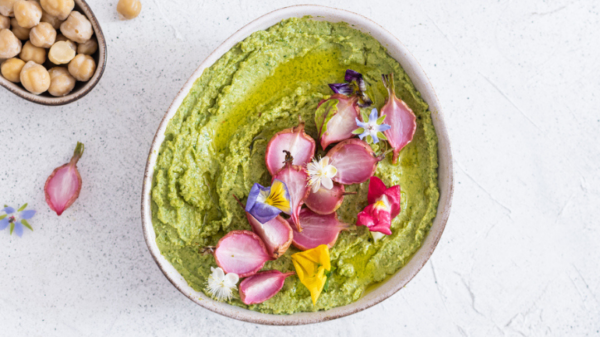
Herbaceous Green Tahini
Incorporate Custom Culinary® True Foundations® Latin Herb Liquid Flavor Concentrate to enliven the tahini.
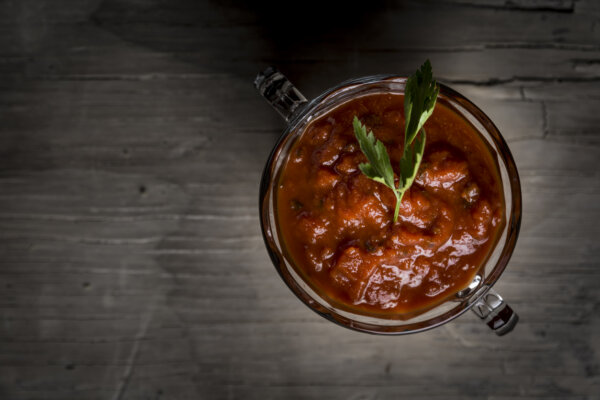
Smoky Tomato-Pomegranate Sauce
Enhance the sauce with Custom Culinary® True Foundations® Chile Herb Liquid Flavor Concentrate.

Harissa Labneh
Add heat with Custom Culinary® True Foundations® Harissa Sauce.
From Inspiration to Application: Three Sauces, One Dish
The trio demonstrates how distinct condiment profiles can compliment the same food, helping operators differentiate a familiar dish by offering herbaceous, smoky, or spicy finishing options.
These flavor profiles can also be used to finish pizzas and pasta, illustrating how signature sauces can extend across menu applications.
Why Are Condiments Low-Risk, High-Reward Opportunities for Food Businesses?
Condiments refresh familiar foods consumers already enjoy by adding a different flavor through an accompanying sauce. For food manufacturers and operators, this creates opportunities to introduce variety and differentiation without changing the foundation of an existing product or menu item.
Crafted Condiments connects this approach with consumer interests in personalizing meals and finding inspiration in recipes. For businesses, these preferences create opportunities to develop customizable food experiences and deliver greater perceived value.
The condiment becomes the point of experimentation: a new dip alongside potatoes or a different spread within a familiar sandwich. Gourmet condiment gift sets can also provide retail opportunities for brands looking to extend signature flavors into packaged products.
Start by identifying the familiar foods consumers recognize, then consider what signature condiments could add to the experience. Keep the familiar foundation while giving the sauce a distinct contribution.
Where Can Premium Condiments Inspire Innovation?
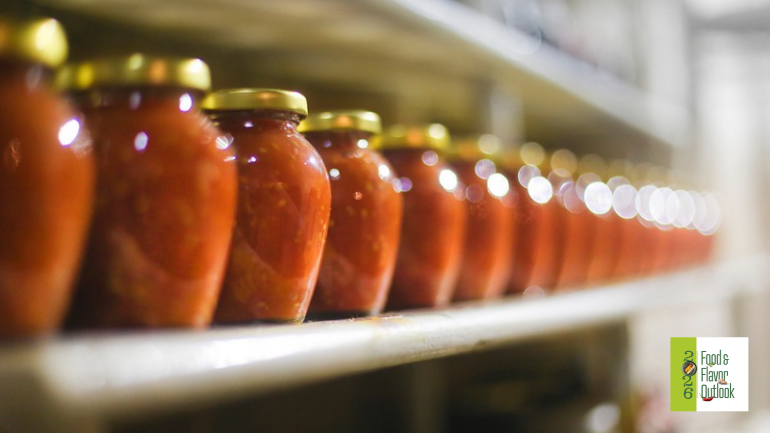
Start with familiar foods and bases. Condiment trends offer brands and culinary teams a range of starting points, from ketchup and ranch to chili oil, hot sauce variations, and globally inspired sauces.
Griffith Foods materials highlight examples such as jalapeño ketchup, jalapeño ranch, yuzu aioli, guava barbecue sauce and salsa macha. Each provides a different direction for exploring heat, citrus or sweet and savory combinations.
Use these examples to frame a development question: What could a new condiment contribute to your existing products or menu items? Consider applications across burgers, sandwiches, pizza and other familiar formats, then assess how the sauce supports the complete food experience.
Turning Condiment Concepts Into Business Opportunities
Premium condiments offer food manufacturers and foodservice operators opportunities to differentiate familiar foods, expand menu variety, and develop signature products. A single sauce concept can serve multiple applications, from dips and dressings to marinades, when its flavor, texture, and performance are tailored to each use.
Beyond traditional sauces, familiar condiment profiles can inspire innovation across product categories, as seen with ranch in chicken products and dill pickle and ranch in puffed snacks. Signature sauces can also extend into retail offerings, allowing brands to build on recognizable flavors through packaged products.
By combining ingredient quality, culinary authenticity, distinctive seasonings, color, and texture, manufacturers and operators can create premium experiences that support menu differentiation, product innovation, and consumer appeal.
Have a condiment concept in mind? Contact your Griffith Foods representative to discuss partnership and product development opportunities.
Let’s Create Better Together
We’re here to help inspire creations that keep your product portfolio on-trend. Contact your Griffith Foods representative or reach out to our sales team to learn more about our ongoing research and innovative offerings.