Executive Summary | How Layers of Flavor Turn Every Bite into an Experience
Consumers are looking for food experiences that offer more than a single bold taste. Maximalist flavor brings together smoky, spicy, sweet, sour, and umami notes contrasting aromas and textures, creating an experience that changes from the first bite to the finish. With 81% of global consumers saying they enjoy food and beverage products with unusual flavors, the opportunity is not simply to make food louder. It is to make every layer feel purposeful.
For Griffith Foods, memorable flavor comes from balance, contrast, and progression. A strong foundation creates familiarity; cooking techniques build depth, and finishing elements add brightness, aroma, and texture. Presentation builds anticipation, while memory and personalization can make an experience feel meaningful. This approach can guide chefs, recipe writers, restaurants, and brands as they create food experiences that give consumers more to discover.
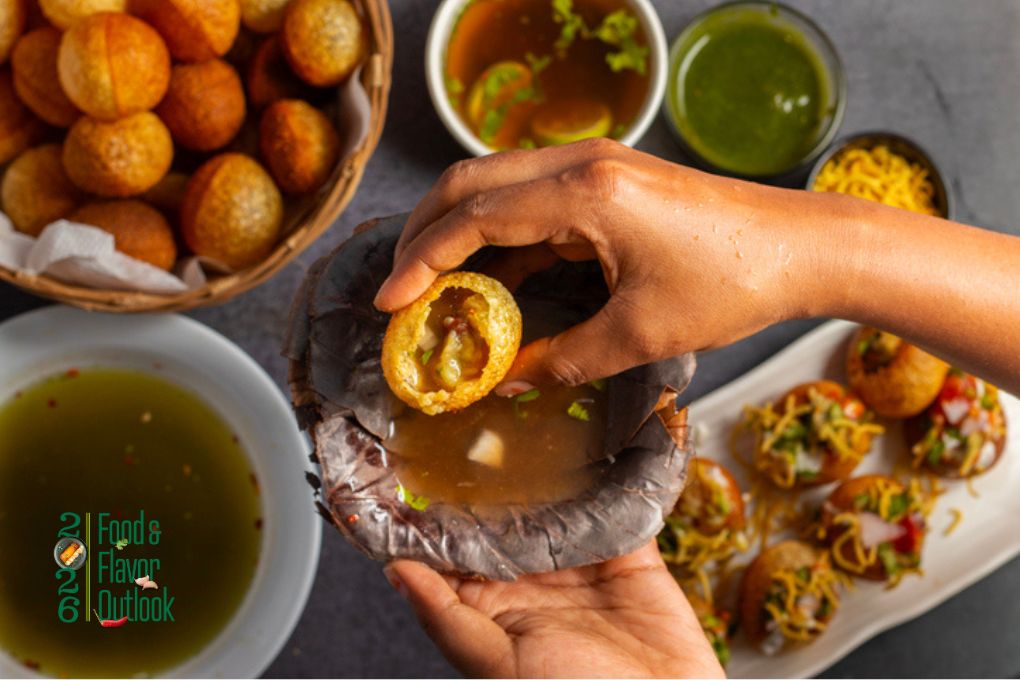
There was a time when “taste good” was enough. Today, consumers seem to be asking for a little more drama from their dinner.
Maximalist Flavors: Built on bold layers of smoky, spicy, sweet, sour, and unami notes that turn eating into an experience rather than a translation. Across categories and geographies, consumers are showing a growing appetite for flavor exploration. In fact, 61% are eager to try new foods, while 34% do so regularly.
For brands, this shift is less about novelty’s sake and more about memorability and memorability. The experience starts before the first bite. The color of a sauce, the shine of a glaze, the aroma rising from the food, and the contrast between crisp and creamy elements can create immediate desire, almost like love at first sight.
Why Memorable Food Experiences Matter More Than Ever
A memorable flavor is shaped by more than taste. Appearance creates anticipation. Aroma signals what is coming. Texture, temperature, richness, and even greasiness influence how the food feels and how each layer is perceived. When those elements work together, the dish becomes a complete sensory experience.
Consumers may forget what they order. They are far less likely to forget the delicious chicken sandwich that surprised them with maple syrup, jalapeño peppers, and chili mayo—or the dessert that paired parmesan soft serve with balsamic caramel, olive oil, and thyme meringue.
These combinations may sound most mischievous.
Yet they demonstrate a simple idea: memorable flavors rarely travel alone.
Progression Gives Every Bite a Story
A well-built flavor does not reveal everything at once. Different tastes and textures emerge as the consumer chews, allowing the experience to evolve from one bite to the next. That progression is what makes a meal feel interesting rather than overwhelming.
Familiarity also gives bold flavors a useful starting point. A classic format such as a chicken sandwich can make an unexpected combination feel easier to explore. The same principle can apply to snacks, burgers, sauces, dips, dressings, and other foods consumers already know.
Familiar flavors can also carry memory. A family recipe may recall something eaten while growing up, while a particular cheese may bring back a meal experience d during a trip to Italy. These connections give maximalist flavor emotional depth: the food can feel recognizable while still offering something new.
How Chefs Build Maximalist Flavor
Two chefs. Two continents. One remarkably similar philosophy.
Chef Michael Hornback builds flavor through roasted escabeche vegetables, pickled ingredients, citrus drizzle, savory grains, and tangy onions. Chef Jomi Gaston layers lime, tamarind, fish sauce, Thai basil, lemongrass, chilies, ginger, galangal, and shallots into a Thai inspired sour curry. Different ingredients. Same strategy.
Both approaches reply to contrast, balance, and progression. Every component contributes to something distinct while making the whole dish stronger. Ingredients such as gochujang, Thai curry paste, masala seasoning, fermented soybean paste, and sriracha can also help chefs build layered profiles.
Warm Escabeche Grain Bowl with Latin Citrus Drizzle
A bowl made for what’s next. Explore the Warm Escabeche Bowl, a delicious example of how bold flavors, thoughtful ingredients, and culinary creativity can come together to create what consumers are craving.
The work is not about turning up one dial. It is about orchestrating several through clear layers:
- Foundation: Meat, fish, vegetables, bread, grains, or starches establish the primary taste and texture of the dish
- Depth: Browning, roasting, spices, and sautéed ingredients developed richer flavors during cooking
- Brightness: Vinegar, citrus juice, wine, or fermented elements keep rich food from tasting flat
- Finishing elements: Fresh herbs, citrus zest, and flaky salt added before the dish is served provide aroma, texture, and contrast
From Layers of Flavor to Dining Room Experience
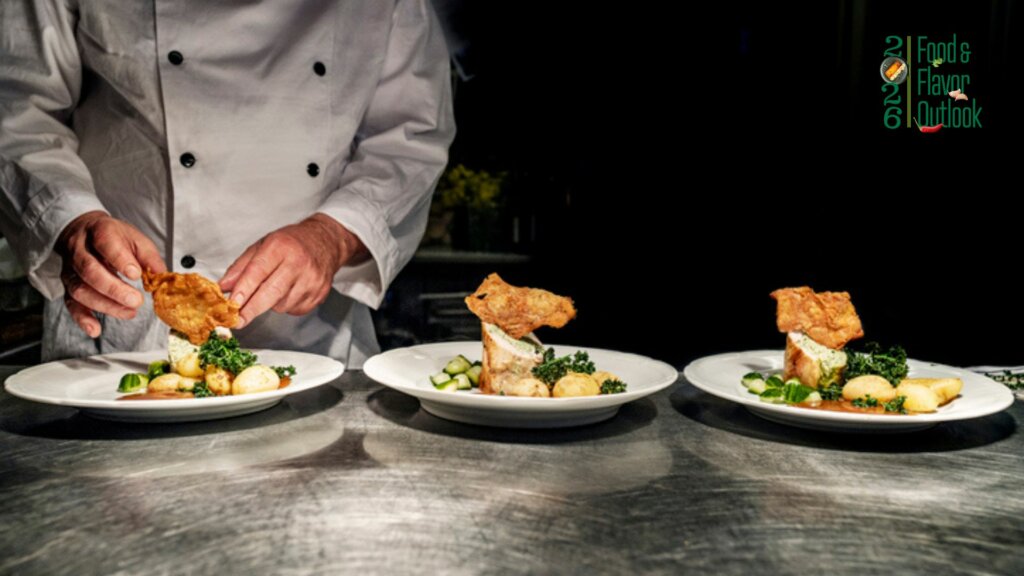
- Use lightning to build visual appeal: The right lighting can enhance the colors, shine and overall presentation of a dish
- Choose tableware that complements the food: Plates, bowls, and serving materials can influence how consumers perceive a dish’s texture and presentation
- Create atmosphere through music and sound: Audio can complement the rhythm, energy and mood of the dining experience
- Extend the experience beyond the plat: Menus, packaging, pop-up activations and staff storytelling can reinforce what makes the food distinctive
- Use sensory language to build anticipation: Menu descriptions can emphasize contrast such as crispy and creamy, sweet and spicy, or rich and tangy without listing every ingredient.
These elements do not replace flavor. They frame the experience and help consumers imagine what is coming before the first bite.
Deep-Dish Pizza: A Familiar Base for Evolving Flavor
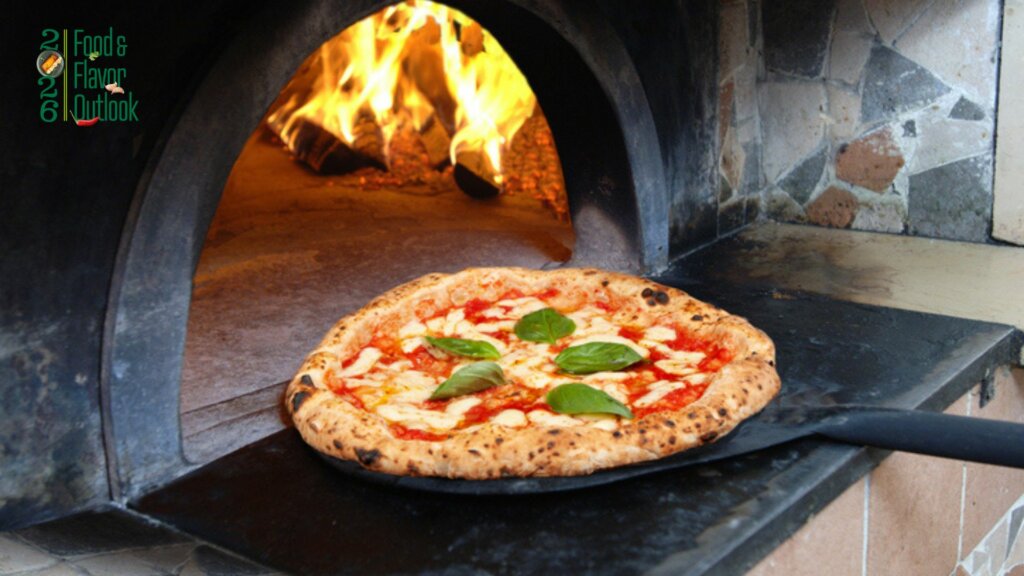
Pizza offers a clear example of how a familiar food can keep evolving.
The basic structure remains recognizable: crust, cheese, sauce, and toppings.
That familiarity gives chefs and consumers room to explore combinations such as pineapple and jalapeño, chicken with teriyaki sauce, or new combinations of meat, vegetables, heat, and sweetness, and acidity.
Deep dish pizza makes those layers especially visible. The crust creates the foundation; cheese adds richness, sauce brings acidity and moisture, and the toppings contribute texture and contrast. A dense crust creates a different mouthfeel from an airy one, while the order of the toppings changes how the flavors reach the palate.
The opportunity is not add as many toppings as possible. It is to preserve the familiar base while allowing the flavor experience to evolve. Each addition should create balance, contrast, or a new moment of discovery.

Building Layers in Homemade Dishes
At Griffith Foods, layering flavor begins with understanding what each element contributes to the final dish. For home cooks, that can mean modernizing a familiar family recipe without losing what makes it meaningful.
Consider pozole prepared the way a mother or grandmother has always made it. The traditional base remains recognizable, but the next generation may add more spices or introduce personal touches. The results respects the memory of the original dish while making the flavor feel new and individual.
The same approach can be used with a weeknight chicken dinner or fresh meat and vegetables. Instead of adding more ingredients at random, taste the food and identify what it needs.
- If the dish tastes flat: Brown or roast the meat and vegetables, sauté onions, or deglaze the pan to bring the flavorful browned bits into the sauce.
- If the heat is too strong: Add a sweet element to soften the chili heat without removing it completely.
- If the dish feels too rich: Add a small amount of lemon, vinegar, wine, or yogurt to bring brightness and balance.
- If the dish needs a final lift: Finish with fresh herbs, citrus zest, or flaky salt for added aroma, texture, and contrast.
The goal is not to make homemade food complicated. It is to give every addition a purpose, so a familiar recipe becomes more balanced, layered, and memorable.
Social Media is Raising the Great Food Flavor Expectations
A decade ago, consumers might have discovered a new flavor while traveling. Today, influencers, food tours, photos, and short videos bring layered dishes directly to the screens. Viewers can see a glaze catch the light, watch food meet the heat of a drill, or follow syrup as it moves across a dish.
“The image can make them feel as though they can almost taste the food before trying it”
-Sr. Marketing communications manager
The comment section adds another layer. People react to combinations, debate whether ingredients belong together, recommend what to order, and influence whether others want to try the food. When the response is overwhelmingly negative, the comments can function like a review before the viewer ever reaches the restaurants or buys the product.
For chefs and brands, the opportunity is to make the layer visible, creating an experience worth discussing. Maximalist flavor must satisfy the palate, attract the eye, and give consumers something interesting, share, and respond to on screen.
From Single Flavors to Complete Experiences
For years, food innovation often revolved around headline flavor: BBQ, Buffalo, or honey mustard. Consumers are increasingly responding to experiences that feel more layered and dynamic.
The real opportunity: not louder flavor, but more thoughtfully designed flavor.
For chefs and brands developing the next recipe or menu idea, a focused process can help:
- Build the dish around at least three sensory layers
- Give every ingredient a clear purpose
- Test the recipe with at least five tasters
- Ask tasters to evaluate balance, contrast, texture, and progression
- Document flavor adjustments after each test
- Use social feedback metrics to guide future changes
Maximalist flavor is not about adding everything. It is about understanding what each layer contributes and when it should appear. By bringing together contrast, balance, aroma, texture, and progression, chefs and brands can create delicious food experiences that give consumers more to explore and more to remember.
Let’s Create Better Together
We’re here to help inspire creations that keep your product portfolio on-trend. Contact your Griffith Foods representative or reach out to our sales team to learn more about our ongoing research and innovative offerings.