Executive Summary | How Maximalist Flavors Signal a Shift Toward Multi-Dimensional Eating
Maximalist flavors involve combining multiple taste elements within a single product experience. Rather than focusing on a single dominant profile, this approach incorporates several taste dimensions together, creating layered flavor experiences within one format.
Consumer data shows that 61% of consumers are eager to try new foods, while 34% do so regularly.1 This highlights a gap between consumers’ openness to trying new foods and the tendency to consistently incorporate those experiences into regular eating habits.
The maximalist flavor approach is characterized by combining taste profiles such as sweet, sour, spicy, and umami within the same product.
What Makes Maximalist Flavors So Bold & Unforgettable?
The bold and unforgettable maximalist flavors concept is often summarized as “Maximalist = More is More,” reflecting the inclusion of multiple flavor elements within one experience. Maximalist food design turns curiosity into loyalty by offering:
- Bold & Expressive: Big, contrasting flavors sweet meets heat, tang meets umami.
- Emotionally Indulgent: Playful, nostalgic, and over-the-top experiences that spark joy.
- Visually Vibrant: Bright colors, drizzles, sparkles, and inclusions that pop.
- Multi-Textural: Crunchy, creamy, chewy, saucy — all at once.
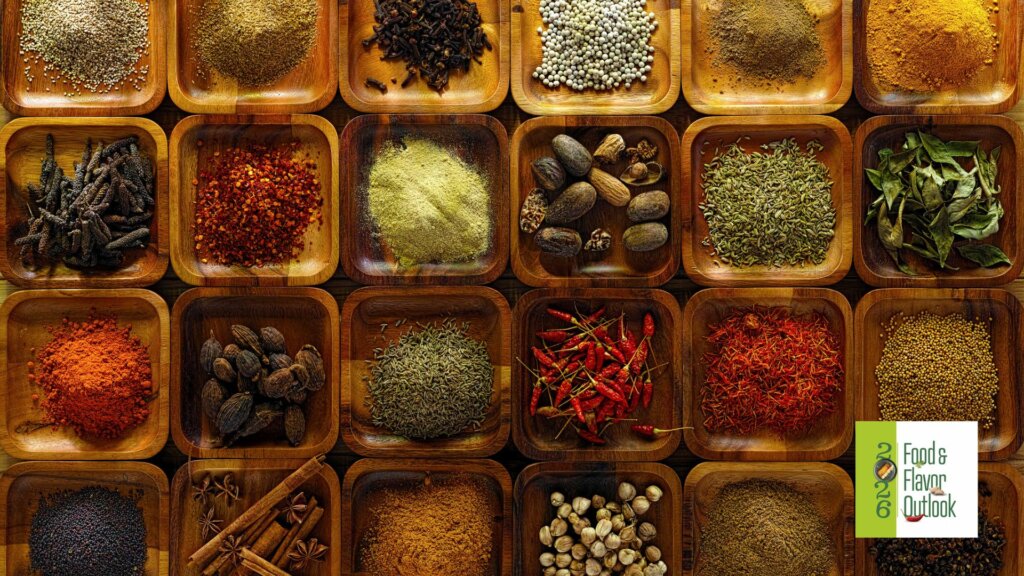
Maximalist flavors are built through the combination of multiple taste dimensions, bringing together different flavor elements into a single product. These combinations often include layers of smoky, spicy, sweet, sour, and umami demonstrating how different taste profiles can be combined within one format.
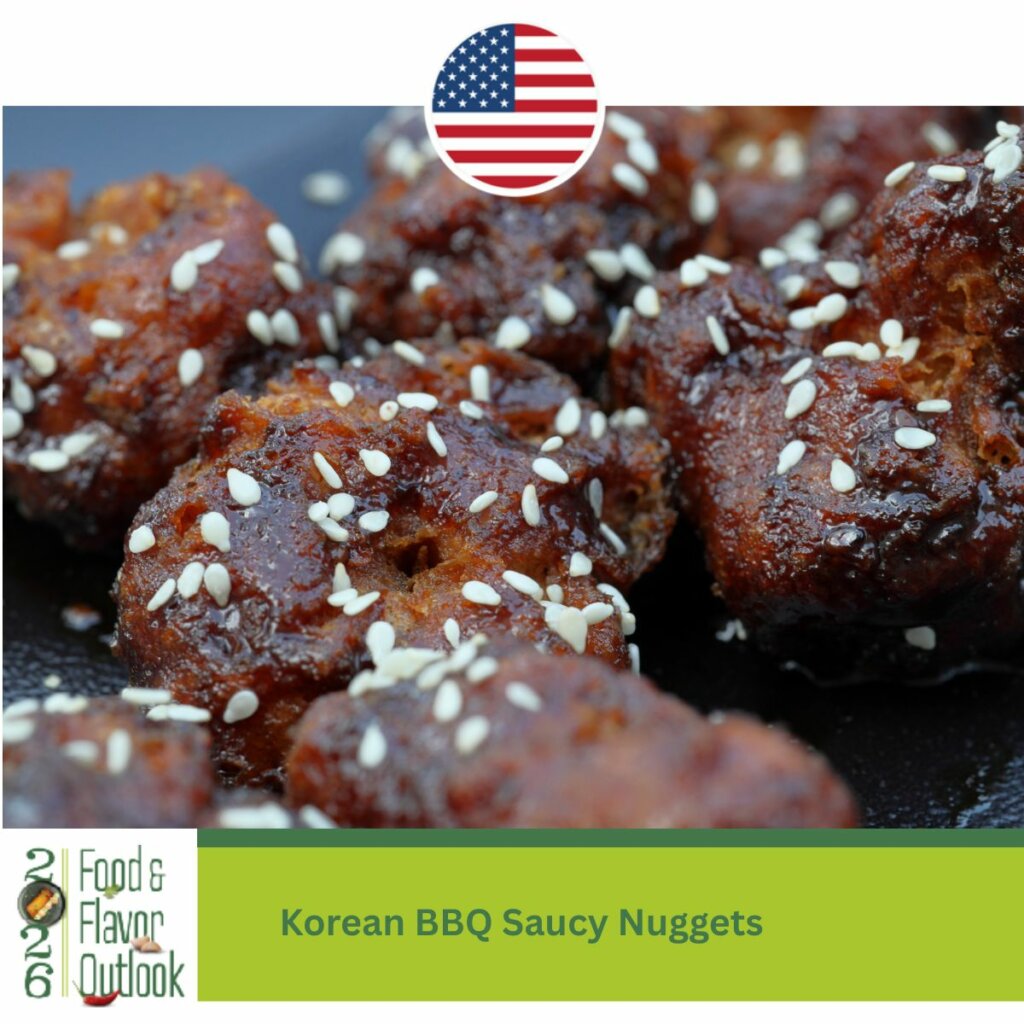
USA: Korean BBQ Saucy Nuggets
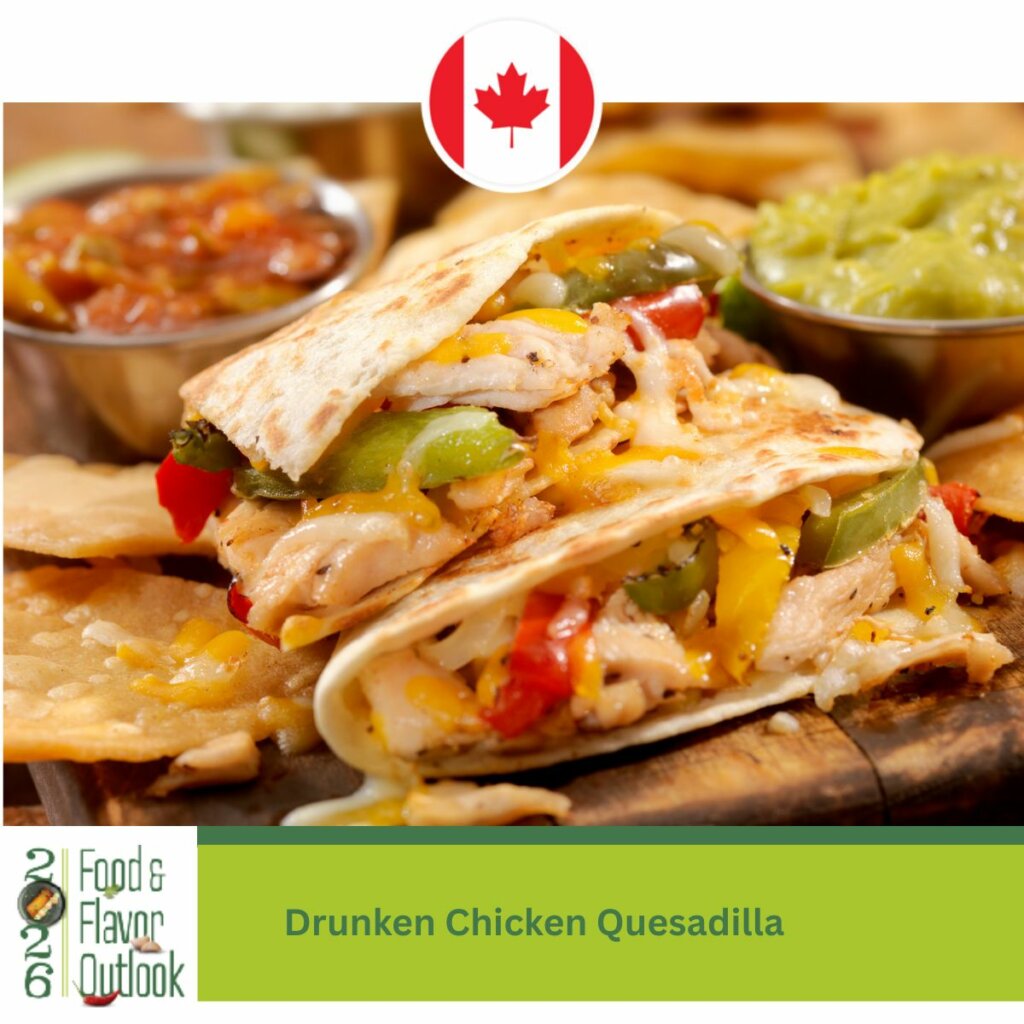
Canada: Drunken Chicken Quesadilla
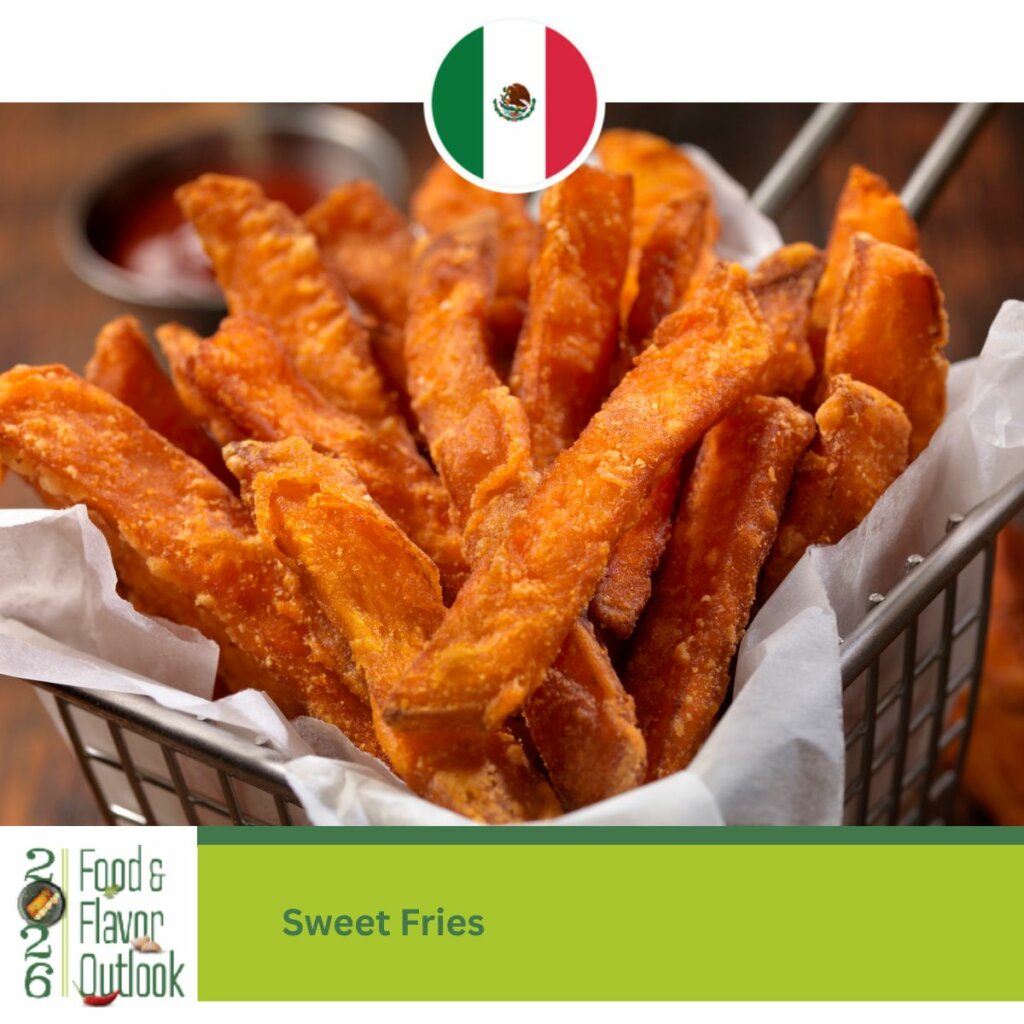
Mexico: Sweet Fries
“Maximal flavors are fun, expressive and culturally rich. I can see even more cross-cultural mashups driving the next wave of flavor innovation.”
– Chef Michael
The Gap Between Trial and Repeat Consumption
Consumer data shows a distinction between willingness to try new foods and regular consumption patterns.
- 61% of consumers are eager to try new foods1
- 34% do so regularly1
This highlights a gap between consumers’ openness to trying new foods and the tendency to consistently incorporate those experiences into regular eating habits.
Mapping Flavor Preferences Across Layered Combinations
Maximalist flavor development includes the idea of combining multiple flavor elements while maintaining structure within the product.
Sweet and sour flavor preferences hold the largest share of global online conversation. Griffith Foods research data highlights the distribution of key taste profiles within global conversation and consumption patterns1:
- 39% sweet
- 37% sour
- 20% spicy
- 3% umami
- 1% smoky
The phrase “balancing intensity with harmony” reflects the need to manage how flavor elements are combined within a single experience.
Maximalist Flavors Across Familiar Formats
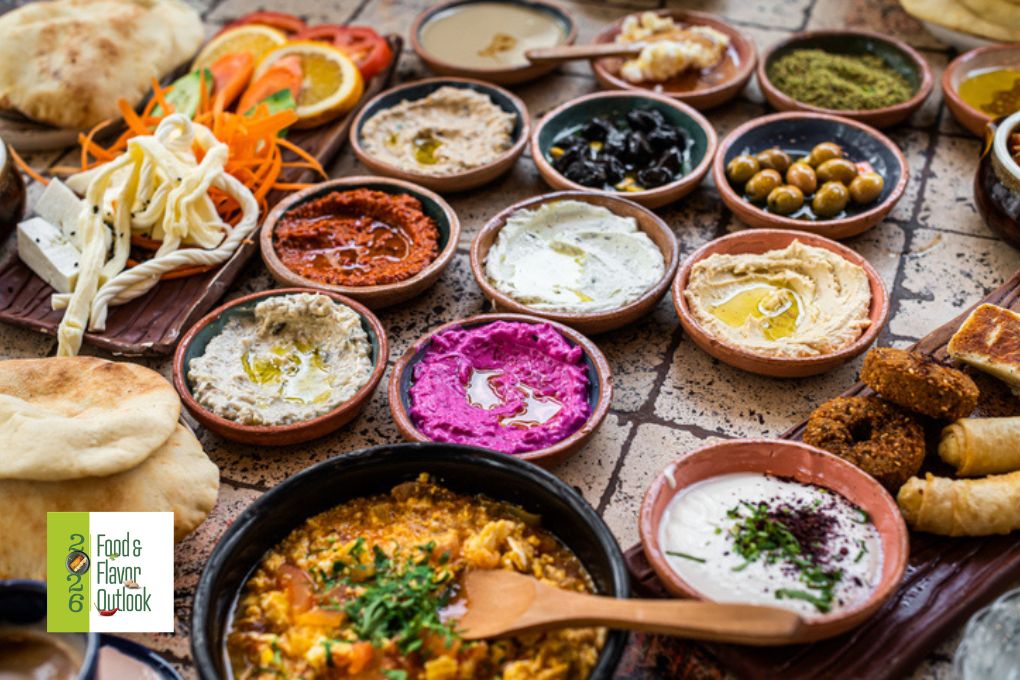
Maximalist flavor combinations are emerging across multiple product categories, showing how widely this approach is being applied across formats.
- Snacks include products with multiple layered seasonings
- Desserts incorporate combinations of different flavor elements
- Sandwiches combine multiple toppings and sauces
North American consumers prefer local traditional flavors when it comes to new and unusual flavors. When delivered through familiar formats like dips, spreads, and dressing, unfamiliar food and flavor combinations become more approachable.
“55% of Gen Z in the U.S. are interested in spicy dips, sauces, and dressings, compared to 45% of total consumers.” 1
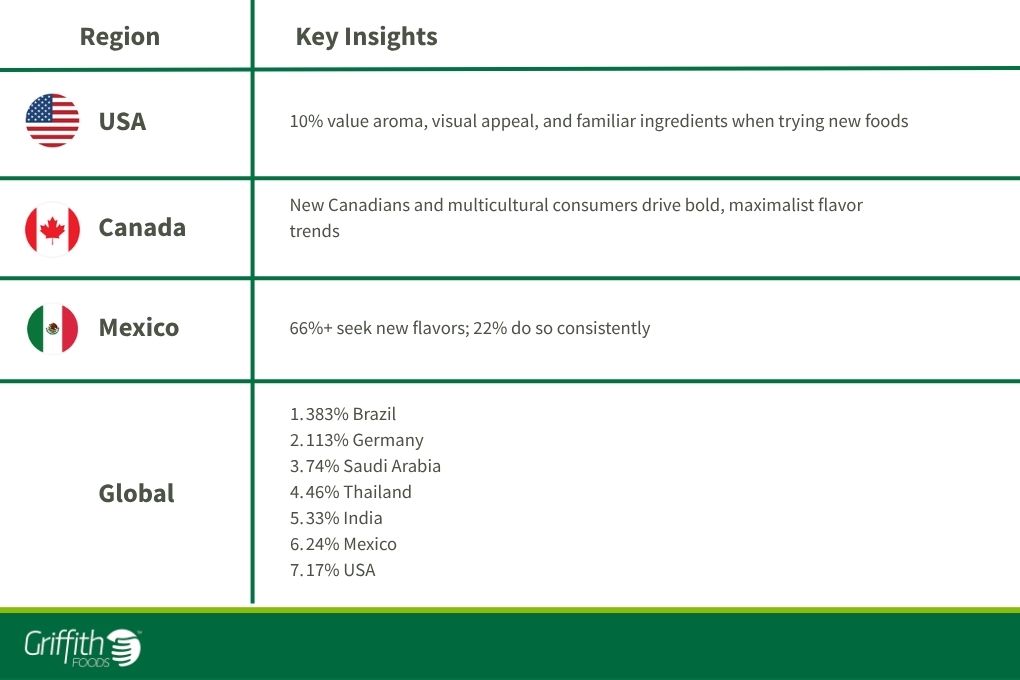
How Does Flavor Engagement Vary Across Markets?
Growth in flavor-related conversation varies by region, showing differences in engagement across:
What Does This Means for North America?
In North America, Maximalist Flavors are reflected in several key areas.
“80% of consumers are most likely to say they associate new and unusual/exotic flavors with flavors from a different part of the world” 1
Nearly half of U.S. consumers say that dips and sauces are the best way to explore new flavors. Consumers are open to trying new foods and flavor combinations, especially when they’re delivered through familiar formats like dips, spreads, and dressings.
How Do Bold Flavors Drive Product Innovation?
Maximalist Flavors tap into strong consumer demand for more dynamic and exciting experiences by bringing together contrasting yet complementary taste elements, such as sweet and sour.
Products that often capture initial interest don’t always translate into repeat purchases.
Bold layered flavor combinations are becoming a key for brands to stand out and spark interest in new products, driving trial, as consumers are naturally drawn to novel and unexpected pairings.
As a result, successful innovation requires more than just bold, creative ideas— it also relies on balance. Flavors need to come together harmoniously for enjoyable and relevant products, even after the first experience.
FlavorIQ® Food & Flavor Outlook Program
The FlavorIQ® Food & Flavor Outlook Program connects global insights with culinary expertise to support product development. It links data on consumer behavior and flavor trends with application in product creation.
Let’s Create Better Together
We’re here to help inspire creations that keep your product portfolio on-trend. Contact your Griffith Foods representative or reach out to our sales team to learn more about our ongoing research and innovative offerings.
Sources
- 2026 Food & Flavor Outlook Program Inspirational Guide