Executive Overview
Protein is no longer a differentiator — it has become infrastructure. Across protein market insights North America, protein functions as a strategic filter in consumer decision-making, shaping what gets bought, eaten, and trusted. According to the 2026 Food & Flavor Outlook and reinforced in Griffith Foods’ “Is the North American Food Market Powered by Protein?” report, protein drives purchase behavior tied to health, wellness, and convenience — not because protein is novel, but because it delivers measurable value in familiar, satisfying formats.
🔗 Protein is reshaping portfolio strategy, as explored in Is the North American Food Market Powered by Protein?, driving in the North American market, reflecting both consumer demand and culinary evolution. For commercial, R&D, and culinary leadership, the opportunity is clear: elevate protein through execution excellence, not louder claims.
Top Protein Market Insights and Implications for Brands
- Protein equity is table stakes — roughly three-quarters of consumers prioritize protein in their diets (Griffith Foods, 2026).
- Execution is the competitive lever — protein forward products succeed when protein enhances flavor, texture, and convenience without inflating cost or eroding trust.
- Familiar formats win — chicken, beef, and pork remain the backbone of consumption, with plant-based proteins complementing rather than replacing them (Griffith Foods, 2026).
Protein Forward 2026: North American Market Insights & Strategic Opportunities
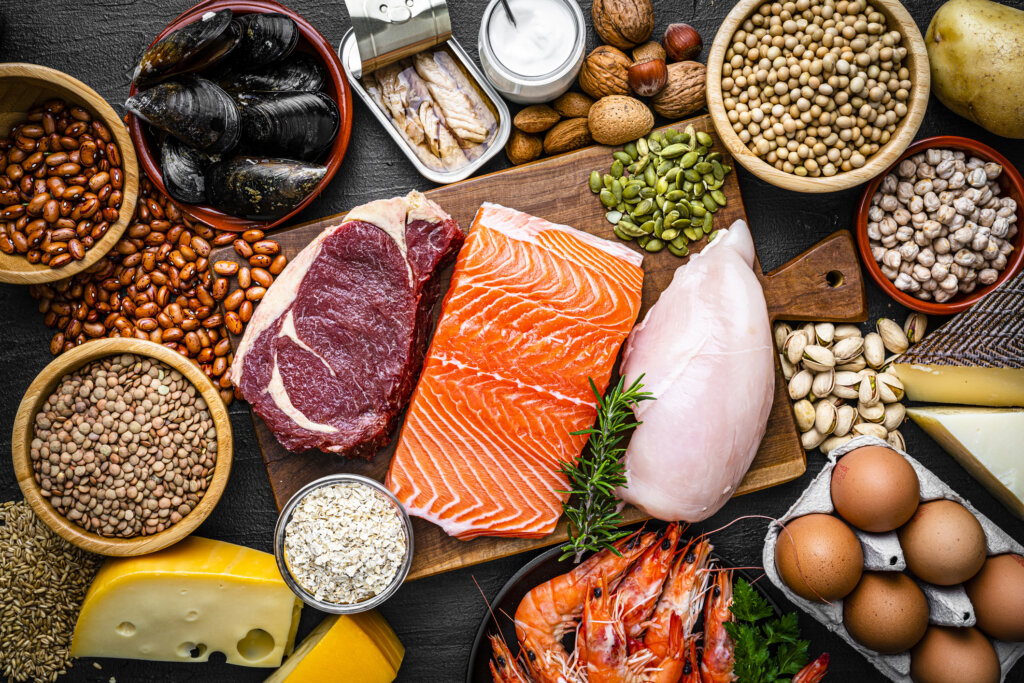
Protein is no longer a marketing bell-ringer; it is a consumer heuristic — a shorthand for satiety, health value, and convenience across breakfast, snacks, dinner, and late-night bites. With a majority of North American consumers associating protein with health and wellness, protein shapes expectations rather than surprises them (Griffith Foods, 2026).
This evolution means buyers and builders must ask not “does protein matter?” but “where does protein move the needle — and how do we deliver it with confidence?”
Market Validation: Protein in 2026: Evidence from Consumer Data and Market Research
KEY INSIGHT: Roughly 70% of North American consumers associate protein with overall wellness, making protein positioning a cross-category growth driver rather than a niche trend. 1
Data from the 2026 Food & Flavor Outlook demonstrates:
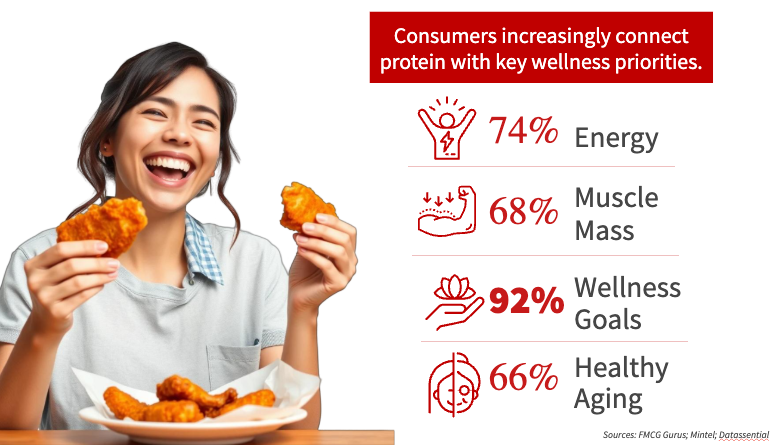
- Roughly 70% of consumers associate protein with overall health and wellness; over 90% link it to achieving wellness goals (Griffith Foods, 2026).
- Approximately 71% of U.S. consumers are actively trying to consume more protein.
- Roughly 73% of Canadians say protein is important for maintaining a healthy weight.
While plant proteins are gaining traction, Griffith Foods’ broader protein innovation in food perspectives show that they often shine when paired with familiar formats or hybrid concepts that still deliver craveable experiences.
The Evolution of Protein in North America
- Performance nutrition era
- Functional wellness expansion
- Mainstream food integration
- Culinary-driven innovation
- Future personalization
How Convenience Shapes Protein Consumption Across Meals and Snacks
Protein sees its greatest commercial traction where it reduces friction in real lives:
- About 60% of shoppers expect convenient high-protein food options.
- More than 85% of weekday dinners rely on convenience.
- Protein snacks and frozen meals are growing at an estimated +9–10% CAGR — not as a fad, but as a behavioral anchor (Griffith Foods, 2026).
Protein grows where decisions are made fast: ready-to-eat meals, heat-and-serve bowls, grab-and-go dairy, and protein-enhanced snacks. Execution here isn’t optional— it’s decisive.
Animal and Plant Proteins: Consumer Preferences and Market Stability
Despite broad interest in plant proteins, traditional animal proteins remain dominant:
- Chicken, beef, and pork continue as the most widely consumed proteins in North America.
- Plant proteins maintain meaningful presence but typically complement rather than replace staples.

This suggests that innovation aligned with trusted proteins, diversified by format, flavor, and occasion, resonates more reliably than novelty alone.
Health Dynamics and GLP-1 Medications: Impact on Protein Demand
As highlighted in Serving Up Wellness, protein trends 2026 sit within a broader consumer push for nutrient clarity, functional foods benefits, and clean labels— priorities amplified by rising health consciousness and personalized nutrition trends.
Emerging health dynamics shape how and why consumers value protein:
- Approximately 23% of U.S. households currently use GLP-1 medications, and by 2030 such usage could influence roughly 35% of food and beverage purchases (Griffith Foods, 2026).
- GLP-1 users increasingly focus on nutrient density per bite, selecting options where protein is clear, credible, and meaningful.
This intersection of appetite compression and nutrient prioritization elevates protein from an “added benefit” to a functional necessity.
Social Media and Digital Trends Shaping Protein Choices
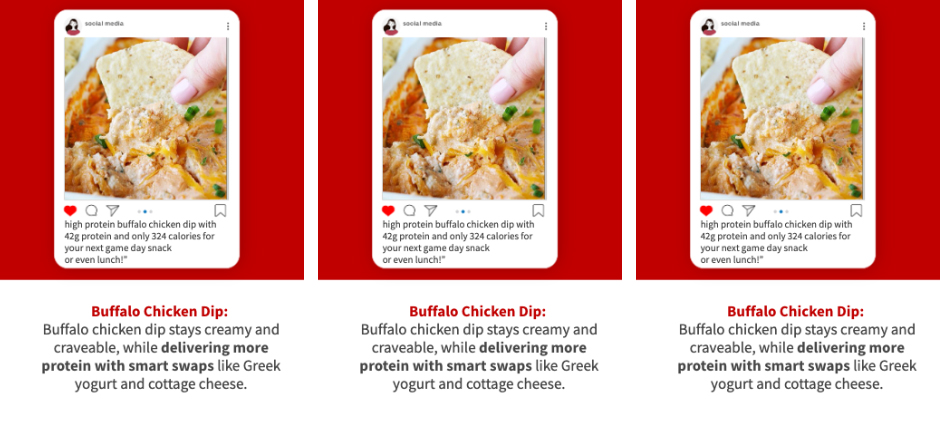
Social media doesn’t just amplify protein trends— it normalizes what works:
- High-protein food content now appears across billions of views.
- Roughly half of younger consumers report trying protein-focused foods due to social discovery.

This isn’t anecdotal interest— it’s a structural dimension of food choice across categories.
Platforms aren’t creating new demands as much as they’re broadcasting practical solutions— from cottage cheese paired with fruit to buffalo chicken wraps optimized for protein and flavor.
Why Product Execution Drives Protein Success at Scale
Higher protein introduces technical challenges— texture, flavor balance, cost, shelf stability— and poor execution erodes credibility faster than no protein claim at all.
Product teams that treat protein as an operational lever rather than a checkbox unlock differentiation that scales.
Success rests on:
- Functional protein systems and intelligent blends
- Flavor modulation that manages dryness or bitterness
- Manufacturing processes optimized to the target format
A claim only matters if the eating experience earns repeat purchases.
2026 Protein Strategy: Key Takeaways for Food Brands and Innovators
Protein has evolved from a performance nutrient to a daily wellness expectation across North American consumers.
Winning portfolios integrate protein not as a headline, but as a strategic enabler, tethered to real occasions, real habits, and real expectations.
Where success lives:
- Familiar, trusted protein sources
- Convenient, habit-aligned formats
- Clear, credible wellness communication
- Technically robust and scalable execution
Where failure still hides:
- Fortification without purpose
- Claims that outpace credibility
- Innovation detached from how people actually eat
Protein sets direction, execution delivers results.
Let’s Create Better Together
We’re here to help inspire creations that keep your product portfolio on trend. Contact your Griffith Foods representative or reach out to our sales team to learn more about our ongoing research and innovative offerings.
OVERVIEW: How Protein Is Reshaping Food Strategy in North America
Food manufacturers are moving through a clear evolution in how protein drives innovation:
- Reframing Protein as Wellness: Consumers increasingly associate protein with daily health, satiety, and balanced nutrition — expanding demand beyond sports nutrition.
- Expanding Across Categories: Protein is migrating into snacks, beverages, sauces, and ready meals rather than remaining isolated in traditional formats.
- Balancing Familiar and Emerging Sources: Animal proteins remain dominant while plant-forward options grow through hybrid innovation.
- Optimizing Taste and Texture: Success depends on sensory performance as much as nutritional claims.
- Scaling Through Formulation Expertise: Manufacturers must solve processing, stability, and flavor challenges to commercialize protein-forward products successfully.
The Five Questions Food Leaders Should Ask About Protein Innovation
Where is protein driving real consumer value vs. marketing noise?
Protein drives value when linked to wellness, satiety, and convenience—not claims alone. 71% of Americans seek more protein, and 74% associate it with overall health, making protein a daily nutrition priority rather than a trend.1
Which categories present the strongest growth opportunity?
Growth concentrates in convenient, ready-to-eat formats. Protein snacks and frozen meals grow at +9.5% CAGR, while 6 in 10 shoppers expect high-protein foods that fit busy routines, especially across breakfast, snacks, and dinner occasions. 2
How should protein sources balance familiarity and novelty?
Consumers favor familiar proteins first—chicken leads consumption, followed by beef and pork—while plant proteins complement rather than replace traditional choices. Innovation succeeds when new formats build on trusted eating habits. 3
What sensory barriers must be solved first?
Flavor and eating experience remain critical. Consumers want restaurant-level flavor at home without effort, prioritizing taste, convenience, and clean ingredients alongside protein nutrition to sustain repeat purchase. 4
How can innovation scale efficiently?
Scaling requires nutrient-dense, convenient formats aligned with shifting appetites. 23% of U.S. households use GLP-1 medications, driving smaller portions and demand for 20–30g protein per occasion, emphasizing efficiency per bite. 5
Sources:
- IFIC; Mintel; FMCG Gurus — 2026 Food & Flavor Outlook
- Mintel; FMI; Circana; Datassential
- Griffith Foods Proprietary Protein Survey (2025)
- Mintel; FMI; Innova; Circana; Datassential
- Datassential; Circana — GLP-1 Insights
Learn More: Protein Market Insights from Griffith Foods
Read the full Griffith Foods analysis: Is the North American Food Market Powered by Protein?