Executive Summary | The Rise of Global Street Food in North America
Street food in North America is booming, with people craving bold, globally inspired flavors in familiar, easy-to-eat formats like tacos, wraps, and bowls. What’s driving the trend is the mix of comfort and discovery—foods feel approachable but still exciting. It’s no longer just festival food either. Food trucks and pop-ups are now part of everyday life, showing up at offices, events, and social gatherings. The casual, social vibe makes the experience just as important as the food.
Social media has also played a huge role, quickly turning eye-catching dishes into viral trends that spread fast. In the end, it’s not just about taste anymore—people want texture, visual appeal, and a fun, memorable eating experience.
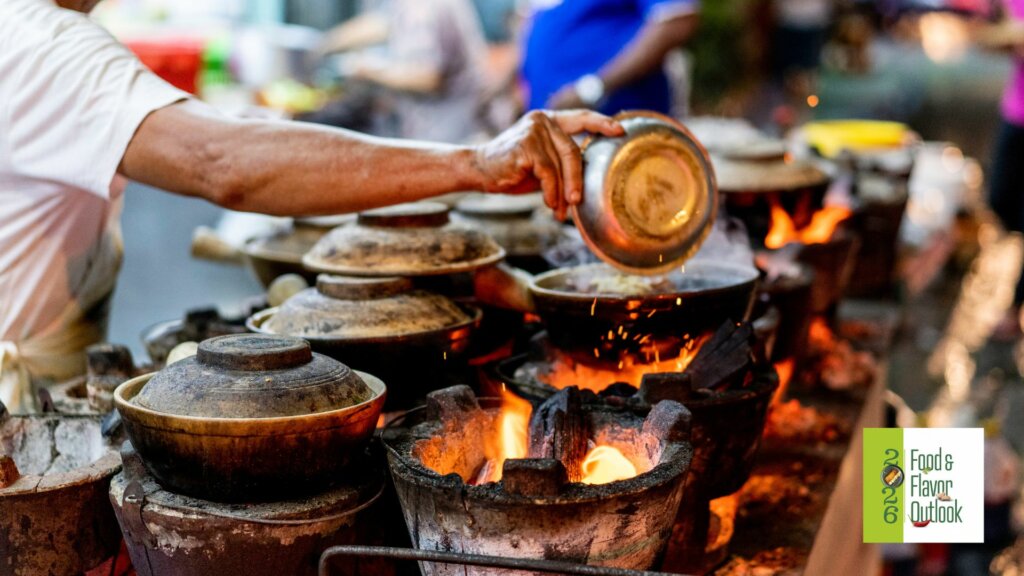
Street food culture across North America is becoming more globally inspired than ever before. Consumers are moving beyond traditional fast food and searching for dishes that feel bold, layered, and experienced driven.
The explosion of world-cuisine street food, including Korean fusion tacos, authentic Greek souvlaki, and tofu banh mi, is one of the hottest new food trends in the United States.
Some of the most popular street foods right now include:
- Birria tacos with rich consommé
- Cheeseburgers
- Street style noodles and rice bowls
- Elote covered in chili, lime, and cheese
- Shawarma wraps
- Loaded fries stacked with sauces and toppings
What makes these foods so successful is that they balance familiarity with exploration. Consumers may not recognize every ingredient or regional flavor influence, but they recognize the format. Tacos, wraps, bowls, skewers, and handheld snacks feel approachable, even when the flavors inside are completely new.
That balance between comfort and discovery is one of the biggest reasons street food trends spread so quickly.
Street Food is No Longer Just a Festival Trend
Street food does not feel like an occasional experience anymore. It is no longer souly tied to fairs, festivals, or summer events.
Slowly becoming part of everyday life, they are outside office buildings during lunch, parked at school events, showing up at birthday parties, weddings, breweries, concerts, and even corporate gatherings.
Not only traditional street food anymore, coffee trucks, dessert pop-ups, specialty drink concepts, and late-night snack vendors are becoming just as popular.
Food trucks is because they feel different from traditional restaurants and people are loving it. There’s something fun about ordering from a truck, standing outside with friends, and trying something that feels limited or hard to find. For a lot of consumers, experience has become just as important as the food itself.
Street Comfort Food Across Regions
The integration of international street food flavors into conventional restaurant menus is a growing trend, allowing for creative interpretations of traditional dishes.
Handheld ethnic meals are increasingly popular in restaurants, reflecting a trend where traditional street food is embraced in more formal dining settings.

A regional example is the Cuban frita, a sandwich of ground beef and chorizo served on a bun with fried potatoes and a pink sauce of ketchup and mayonnaise. The Vietnamese banh mi is also a popular example, featuring a French baguette with cold sliced pork, pâté, and a crunchy salad of fresh vegetables and herbs.
International Street Food: Asia
In Asia, traditional dish formats often emphasize rice, noodles, soy sauce, and aromatic herbs, with cooking methods centered on stir-frying and steaming.
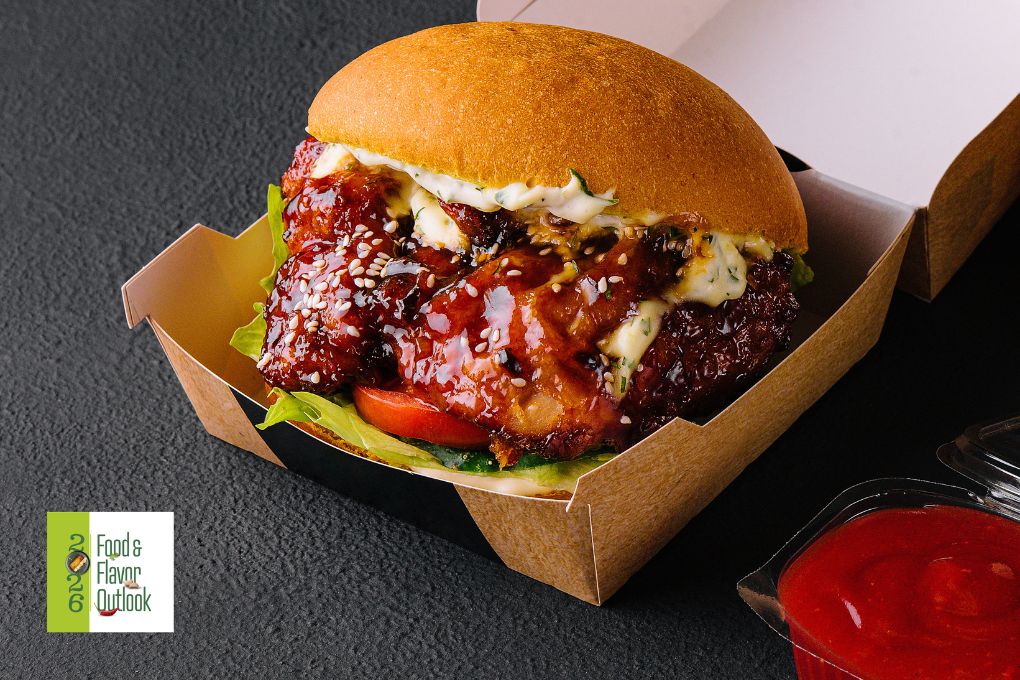
- Korean fried chicken burgers are a popular street food trend featuring ultra-crisp, double-fried chicken served with kimchi slaw and sticky chili sauce.
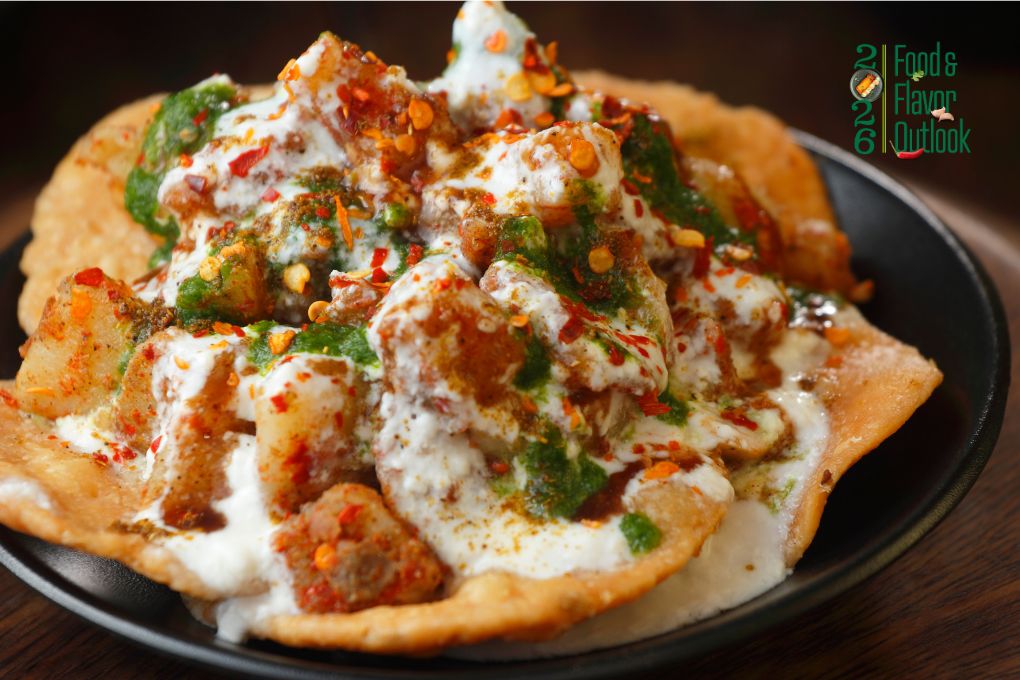
- Papdi Chaat is a popular street food in India, consisting of crispy discs topped with chickpeas, potatoes, raita, green chutney, pomegranate, and gram noodles.
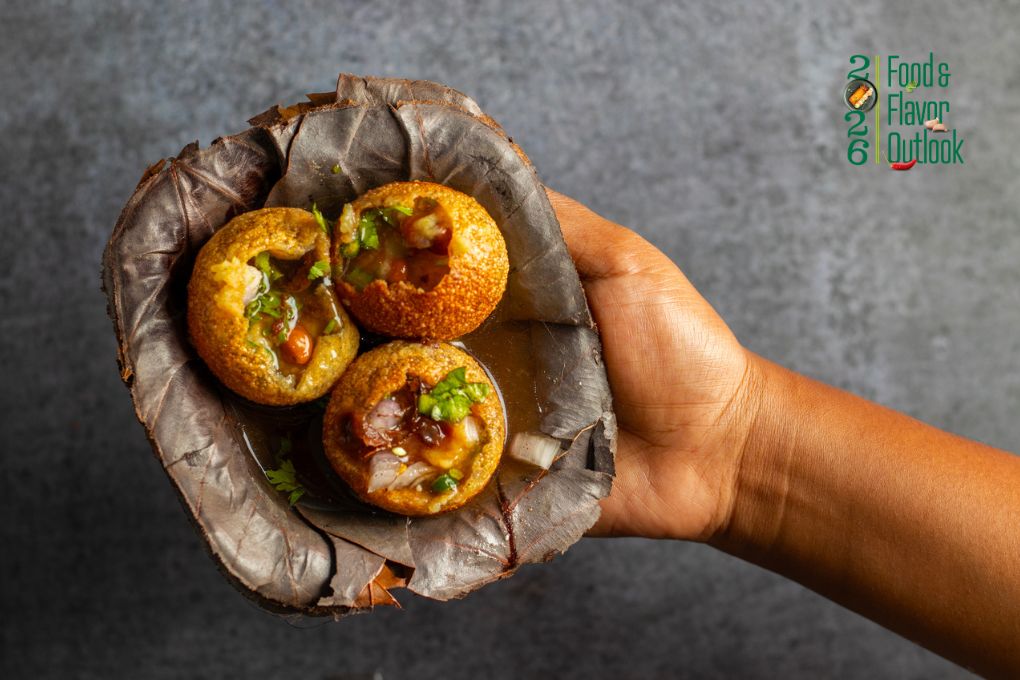
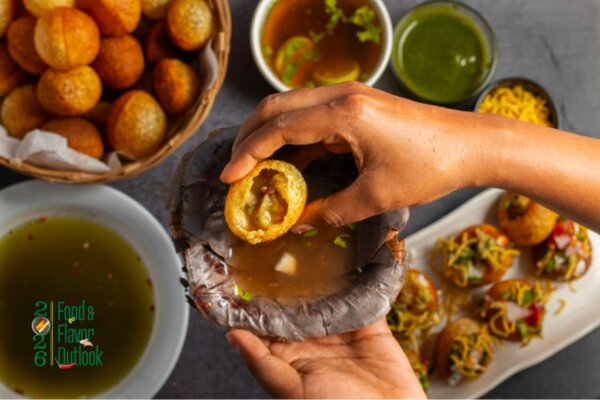
- Pani Puris, a deep-fried fried snack made of crisp rounds of bread filled with chickpeas and potatoes, drizzled with spicy herb water.
Street food has achieved recognition that reflects its expanded role. Thailand and Singapore, street food vendors have been awarded Michelin stars, demonstrating that the format does not limit quality or credibility.
Why Social Media Loves Street Food
Street food and social media almost feel made for each other.
People are no longer just discovering food trucks by accident. They actively follow them online, track where they will be next, and wait for new menu drops the same way people follow brands or influencers.
And honestly, street food was almost made for platforms like TikTok and Instagram, the visual grab attention.
The colorful, messy, dramatic, and packed with texture. Exactly the kind of content people love sharing online. Melting cheese pulls, crispy crunches, overloaded fries, dripping sauces, grilled meats instantly grab attention on platforms like TikTok and Instagram.
Once Something Goes viral: It Moves Fast.
One trending street food dish can suddenly influence restaurant menus, grocery store flavors, and foodservice innovation across the country. What starts as a local favorite can quickly become part of mainstream street food culture.
For example: Gyros are a Mediterranean street-food sandwich made with slow cooked, then roasted or sliced meat, tomato, onion, and tzatziki sauce, all wrapped in pita bread. Similar sandwiches may also use lamb as the main meat and yogurt-based sauces for cooling contrast.
That is one reason brands pay such close attention to street food trends and various ingredients. They are not just observing what consumers say they want; they are watching what people are actively sharing, craving, and lining up for in real life.
Street food has become a live, constantly evolving forecast.
It Is Not Just About Flavor Anymore
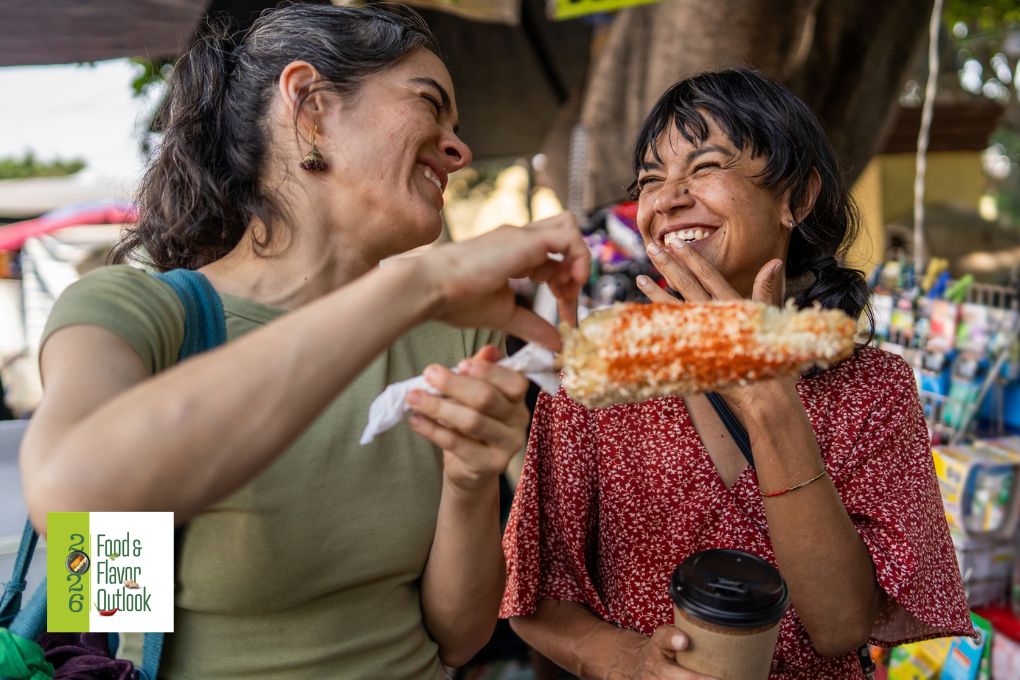
Flavor still matters, obviously. But today’s consumers are also chasing experiences.
People want food that feels exciting to eat. They want crunch, creaminess, heat, smokiness, softness, crispiness, and layers of texture all happening in the same bite.
Street food naturally delivers that kind of sensory experience.
A single dish consisting of contrasting textures might combine:
- Deep fried crispy coating
- Soft steamed bun
- Creamy sauces like sour cream
- Smoky grilled onions
- Thin slices of flavorful cheese
- Fresh lettuce and citrus
Some handheld street foods are stuffed or typically filled inside bread or a tortilla.
That layered texture is part of what makes street food feel soo energetic and craveable.
Texture has become such a major part of food innovation because consumers associate it with freshness, indulgence, and overall food quality. Street food creates those moments naturally because vendors are constantly building dishes around bold sensory experiences.
Let’s Create Better Together
We’re here to help inspire creations that keep your product portfolio on-trend. Contact your Griffith Foods representative or reach out to our sales team to learn more about our ongoing research and innovative offerings.