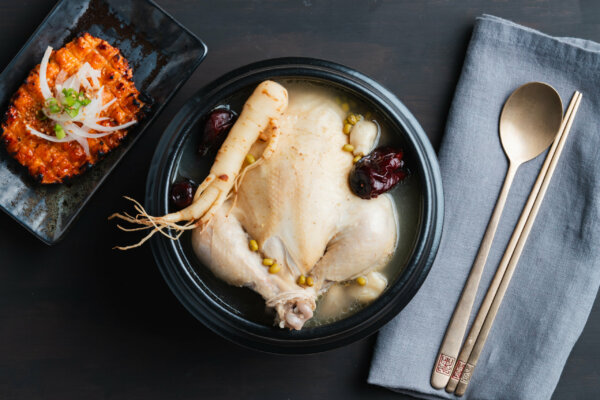
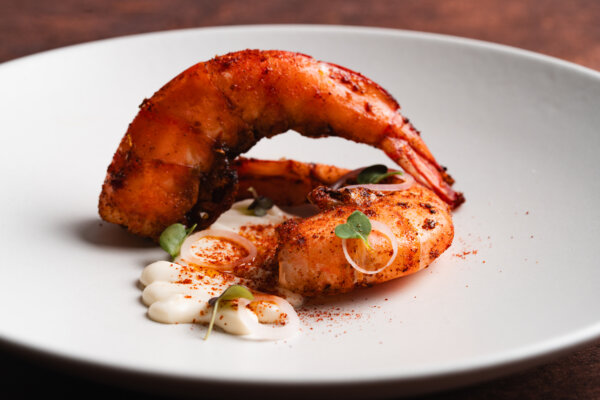
Ancient nutrition is back. In an age where consumers are on the hunt for nutrient density from whole foods, many are looking to the past. The minimally processed and healthy diet of our ancestors is starting to take hold in our world of modern wellness. Take a look at how ingredients from the past are powering us today.
Podded Produce
The legume is a mainstay of ancient nutrition. The vegetables we find in pods are defined as legumes; think peas and beans. A staple in ancient middle eastern cuisines, legumes pack protein and fiber in their compact form.
With the number of flexitarians on the rise, legumes have become an effective protein source in many diets.

From acting as a meat substitute to upping the protein in a salad, legumes offer robust and healthy utility in any dish.
The possibilities go beyond traditional applications. Soaked and ground legumes can be used to make protein packed pancakes. Finely milling them can produce a vegan flour alternative.
Health-conscious consumers are driving demand for the legume’s resurgence. Opportunities in the alternative protein space are growing, and legumes are ready to take the spotlight.
Gains from Grains

Grains like quinoa, farro, and sorghum have stood the test of time. Remaining largely unchanged for centuries, these ancient “superfoods” have continued to fuel the world. Texturally complex, nutritionally dense, and versatile, ancient grains are being revamped.
From salad bases to cereal alternatives, coating systems to grab and go snacks, ancient grains offer the nutritional benefits that their processed counterparts lack. Ancient grains tout higher protein, complex carbohydrates, and improved digestion with their nutty and earthy flavors.
From 2016-2020, “ancient grain” appeared 585% more on menus. 66% of consumers prefer a mixture of rice with ancient grains over just rice, knowing the value that the hero ingredients bring. There is certainly a hunger for these time-tested grains.
Modern Mushrooms
Historically, mushrooms were a staple of hunter gatherer diets. Mushrooms have a storied history in Mediterranean regions, being a signature element in their cultures. Offering unique textures and flavors, mushrooms bring an umami boost and depth to all kinds of dishes while also serving as a nutritionally functional ingredient.

Lion’s mane mushrooms have become a frequent feature on menus. The mushroom’s meaty texture and umami rich profile secures itself a spot in kitchens as a meat substitute. Being a medicinal mushroom, the fungus also promotes cognitive health and reduced inflammation. Being implemented in products like energy bars, lion’s mane is an attractive ingredient for health focused consumers.
Chef Jordi Gallego, Griffith Foods Senior Development Chef, makes a practice of gathering and dehydrating his own mushrooms. Residing on Spain’s Mediterranean coast, a culture of mushrooms is rich. Chef Jordi takes his dehydrated mushrooms and curates sustainably sourced mushroom powders, an ingredient that heightens the surrounding flavors.
How about truffle, a fungus turned high end experience? Used as a thinly sliced garnish or infused into an oil, truffle brings a premium, aromatic funk to anything from pastas to premium chip seasonings.
With such a wide array of mushrooms available, experimentation with the ancient ingredient can create endless possibilities.
Ancient ingredients aren’t just back – they’re redefining modern nutrition. From legumes driving plant forward plates to grains adding texture and depth, and mushrooms bridging history with innovation. These time-honored staples are powering the future of food. When tradition meets creativity, the result isn’t just delicious – it’s transformative.