Executive Summary | What the 2026 Food & Flavor Outlook Reveals About Sensor-Led Demand
The FlavorIQ Food & Flavor Outlook Program from Griffith Foods highlights craveable texture as a critical sensory driver of multisensory food experiences.
Global consumer research shows that 43% of consumers agree or strongly agree that they like food and drink products with unusual textures. Texture appeal spans both familiar comfort and exploratory experiences, with especially high global enjoyment of creamy (89%), tender (85%), chewy (80%), sticky (79%), crunchy (75%), crispy (74%), and crumbly (70%) textures.1
In North America, texture preferences are not uniform across markets.
The share of consumers who say they like experimental food and drink products is 81% in the United States, compared with 69% in Canada and 60% in Mexico. Perceptions of texture as a premium signal also vary: 35% of U.S. consumers, 38% of Canadian consumers, and 22% of Mexican consumers say unusual textures make products feel more premium. These differences underscore that texture is a powerful but market‑specific lever.2
Beyond attitudes, texture is increasingly visible in both product communication and digital behavior. Analysis of new food launches shows texture descriptors appearing prominently, led by crunchy or crispy cues (8.8%)3, followed by smooth (5.0%), soft (2.9%), chunky or with bits (2.1%), and chewy (1.7%). Digital engagement reinforces this momentum, with year‑over‑year growth in texture‑related keyword engagement across categories such as Frozen Meals (+288%), Ready to Cook (+240%), Prepared Meals (+226%), Food Bowls (+64%), and Meat Alternatives (+51%).4
Taken together, these signals position texture as a strategic design input that influences discovery, perceived quality, and engagement—provided market differences are thoughtfully accounted for.
In 2026, texture is no longer a secondary attribute layered on after flavor development. Instead, it functions as a primary sensory signal that helps define value, quality, and overall eating experience. Research 5 shows that texture perception is influenced not just by physical properties, but also by cultural habits, exposure, and individual sensory differences—meaning the same food can be experienced very differently across consumers.
What does “Craveable Texture” mean?
“Craveable texture” refers to the multisensory role that food texture plays in shaping enjoyment, perceived quality, and engagement beyond flavor alone. The concept is highlighted in the FlavorIQ Food & Flavor Outlook Program from Griffith Foods, which identifies texture as a growing driver of food innovation and consumer preference.
Consumers show strong preference for textures such as creamy, crunchy, chewy, and crispy, while interest in unusual textures is also increasing globally.
Texture cues are becoming more visible in food product launches and marketing, particularly in categories such as frozen meals and ready-to-cook products.
Craveable Texture: a Data‑Supported Strategic Sensory Signal
Consumers increasingly seek food experiences that go beyond taste alone and engage multiple senses. Texture contributes not only to how food feels in the mouth, but also to visual appeal, sound (such as audible crunch), and emotional satisfaction. As a result, texture plays a critical role in how products are discovered, shared, and remembered.
Global Conversation Growth by Market
YOY growth in online conversations about food texture⁶
- Japan (+64%)
- India (+524%)
- Thailand (+77%)
- Germany (+19%)
- Saudi Arabia (+137%)
- Brazil (+367%)
- USA (+46%)
- UK (+43%)
- Mexico (+43%)
For food leaders, this shift matters because together, these signals indicate texture can be approached as a more intentional design lever, one that influences discovery, satisfaction, and repeat choice in ways flavor alone increasingly cannot.
Texture for Sensory Engagement Insights
Today’s consumers want dining experiences that go beyond flavor and fully engage multiple senses, positioning texture as a meaningful component of food enjoyment. Quantitative findings cited in the program include:
- Consumer research indicates that texture appeal spans both comfort and exploration. Globally, 43% of consumers agree or strongly agree that they like food1
- % of global consumers who enjoy the following textures1
- Creamy 89%
- Tender 85%
- Chewy 80%
- Sticky 79%
- Crunchy 75%
- Crispy 74%
- Crumbly 70
Together, these figures suggest that interest in texture spans both familiar comfort textures and more exploratory sensory experiences.
Why are Consumers Craving Texture?
The data suggests four recurring motivations of sensory engagement

- curiosity and challenge
- product differentiation
- premium perception
- social value
Together, these four needs reflect how texture is functioning today— not as a novelty layer, but as a strategic sensory signal shaping engagement, differentiation, and perceived value.
North America: How Texture Signals Differ by Market
Country‑level insights across North America reveal meaningful differences in how texture is interpreted and valued. In the United States, texture is strongly associated with indulgence, experience, and perceived quality. Higher shares of U.S. consumers link unusual textures with premium cues and enjoyment.
In Canada, texture plays a subtler role, with consumers placing greater emphasis on comfort, balance, and refined differentiation rather than overt novelty. Meanwhile, Mexico shows strong curiosity and social enthusiasm for unusual textures, with higher interest in discussing new and different food experiences.
These distinctions reinforce that texture should not be treated as a one‑size‑fits‑all signal. Instead, brands must consider how texture aligns with local expectations around value, experimentation, and social expression.
The data includes country‑level insights showing that texture‑driven preferences are not uniform across North America.2
| USA | CANADA | MEXICO | |
| I like experimental food and drink products | 81% | 69% | 60% |
| I like to discuss new and unusual food products on social media | 33% | 24% | 33% |
| I like to feel the food products that I cook | 41% | 36% | 30% |
| Unusual textures can challenge my taste perceptions | 35% | 41% | 32% |
| Unusual textures give products stand out appeal | 27% | 43% | 19% |
| Unusual textures make cooking more fun and exciting | 45% | 35% | 37% |
| Unusual textures make products more premium | 35% | 38% | 22% |
The U.S. strongly associates texture with indulgence and quality; Canada places greater value on subtle differentiation and comfort; and Mexico demonstrates strong curiosity and social enthusiasm for unusual textures.
Texture in Practice: Launch and Engagement Evidence
Product launch signals
Product launch data shows that texture is being surfaced more explicitly in product naming and communication. Crunchy, crispy, crusty, and brittle cues lead texture descriptors, followed by smooth, soft, chunky, chewy, spreadable, tender, light, melt‑in‑mouth, and juicy cues. This demonstrates that texture is not only present in formulation, but also actively leveraged in how products are positioned to consumers.
Texture descriptors appear in food launches at the following rates3
- Crunchy / crispy / crusty / brittle / nutty: 8.8%
- Smooth (silky / velvety / creamy / buttery): 5.0%
- Soft: 2.9%
- Chunky / with bits: 2.1%
- Chewy: 1.7%
- Spreadable: 1.6%
- Tender: 1.3%
- Light / puffy: 1.2%
- Melt‑in‑mouth: 1.1%
- Juicy: 0.94%
Texture engagement is no longer confined to a single category, reinforcing its role as a system‑wide sensory driver.
Engagement signals
Engagement data mirrors this pattern. Texture‑related language is gaining traction across a wide range of categories. Insights reports that YoY increases in online engagement for texture‑related keywords by category.
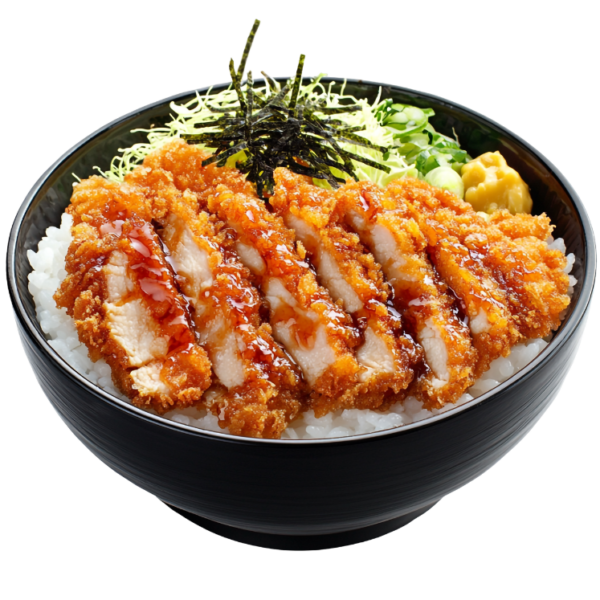
Food Bowls (+64%)
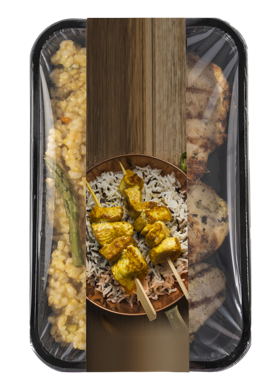
Frozen Meals (+288%)

Ready to Cook (+240%)
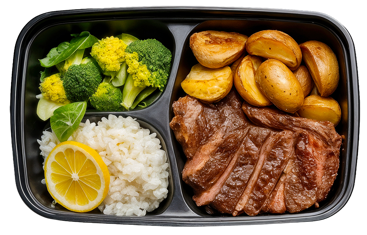
Prepared Meals (+226%)
Craveable Texture in Market and Menu Examples
Craveable texture shows up in market in menu and retail, and is already visible in both applications. The following examples illustrate how craveable texture shows up in market, rather than representing an exhaustive or quantitative analysis:
- Pizza Hut’s Crunchy Chicken Line‑Up on menus indicating crispy coatings and multi‑sensory appeal
- Taco Bell’s Crunchwrap Supreme on menus to demonstrate layered texture design, not novelty
- Aldi’s Crunchy BBQ Sweet Potato Veggie Burgers, a retail product using audible crunch for differentiation
- Pringles Mingles Dill Pickle & Ranch is an in the market example offering light, airy, melt‑in‑mouth yet crunchy texture
Why This Matters for Food Leaders
Texture is not new. What has changed is its measurability, visibility, and strategic potential. In 2026, texture has become a repeatable and intentional lever for shaping consumer experience and perceived value across categories and markets.
When approached as a core design input rather than a finishing detail, craveable texture can help brands differentiate offerings, elevate everyday eating occasions, and build stronger emotional connections with consumers. For food leaders, this calls for greater discipline: treating texture as foundational, recognizing market‑specific differences, and clearly separating what the data shows from how strategy responds.
Is interest in texture limited to specific categories?
When applied intentionally, craveable texture becomes less about spectacle, and more about building products that consistently meet evolving sensory expectations.
For food leaders, Texture Trends call for discipline
- Treat texture as a core design input, not a finishing touch
- Recognize that texture preferences vary meaningfully by market
- Use texture to shape experience, not novelty alone
- Maintain a clear separation between what the data shows and how strategy responds
Questions the Markets are Asking
Why does texture matter in food innovation?
Texture plays a critical role in shaping food enjoyment because it contributes to multiple sensory experiences beyond flavor, including mouthfeel, sound, and visual cues. According to insights from the FlavorIQ Food & Flavor Outlook Program by Griffith Foods, texture increasingly functions as a strategic design element in food innovation.
- Consumer research indicates that 43% of consumers enjoy unusual textures, and descriptors such as crunchy, creamy, and chewy are frequently used in product launches.
- Texture can also signal product quality or premium positioning, particularly in markets like the United States.
What are food texture trends in 2026?
Food texture is emerging as a major driver of consumer food experiences in 2026. Research from the FlavorIQ Food & Flavor Outlook Program by Griffith Foods highlights “craveable texture” as a multisensory factor shaping product discovery, perceived quality, and engagement.
Global consumer data shows that 43% of consumers enjoy unusual textures, while familiar textures like creamy (89%), tender (85%), and chewy (80%) remain highly preferred. Texture cues such as crunchy or crispy also appear in about 8.8% of new food product launches, reflecting growing emphasis on sensory differentiation. Interest in texture is rising across categories including frozen meals, ready-to-cook foods, prepared meals, and meat alternatives.
FlavorIQ® Food & Flavor Outlook Program
At Griffith Foods, we turn insights and culinary creativity into new opportunities with our FlavorIQ® Food & Flavor Outlook Program. Through our annual culinary theme program, we curated a list of key culinary themes that reflect the food industry’s current state and our prediction for what’s next. Learn more about our program and themes here.
Let’s Create Better Together
We’re here to help inspire creations that keep your product portfolio on trend. Contact your Griffith Foods representative or reach out to our sales team to learn more about our ongoing research and innovative offerings.
Sources
- Griffith Foods FlavorIQ® Food & Flavor Outlook Program.
- FMCG Gurus, cited in the 2026 Food & Flavor Outlook.
- Ingredion (incl. Mintel GNPD launch analysis), cited in the 2026 Food & Flavor Outlook.
- AI Palette, cited in the 2026 Food & Flavor Outlook.
- International Journal of Food Science (IJF)